

The Ultimate Guide to Using TENS Units for Lower Back Pain Relief
If you're struggling with that nagging lower back pain, you're not alone. Millions experience this discomfort, turning to various solutions for relief. One increasingly popular method is TENS therapy, which stands for Transcutaneous Electrical Nerve Stimulation. By sending gentle electrical pulses through the skin, a TENS unit for lower back pain might just offer the relief you need. But what exactly is it about this method that's catching the attention of so many? Dive into this guide to discover how TENS for lower back pain works, why it's gaining traction, and how it might benefit you. Whether you're dealing with chronic discomfort or the occasional twinge, understanding this treatment could be a crucial step toward lasting relief.
Understanding TENS Therapy
If you've ever experienced the discomfort of persistent lower back pain, you know how it can cast a shadow over everyday activities. Amidst the array of treatment options, TENS therapy has emerged as a beacon of hope for many. This technique, harnessing the power of electrical impulses, presents an innovative approach to pain management. Here's everything you need to know about TENS therapy, particularly when it comes to tackling that stubborn lower back pain.
What is TENS?
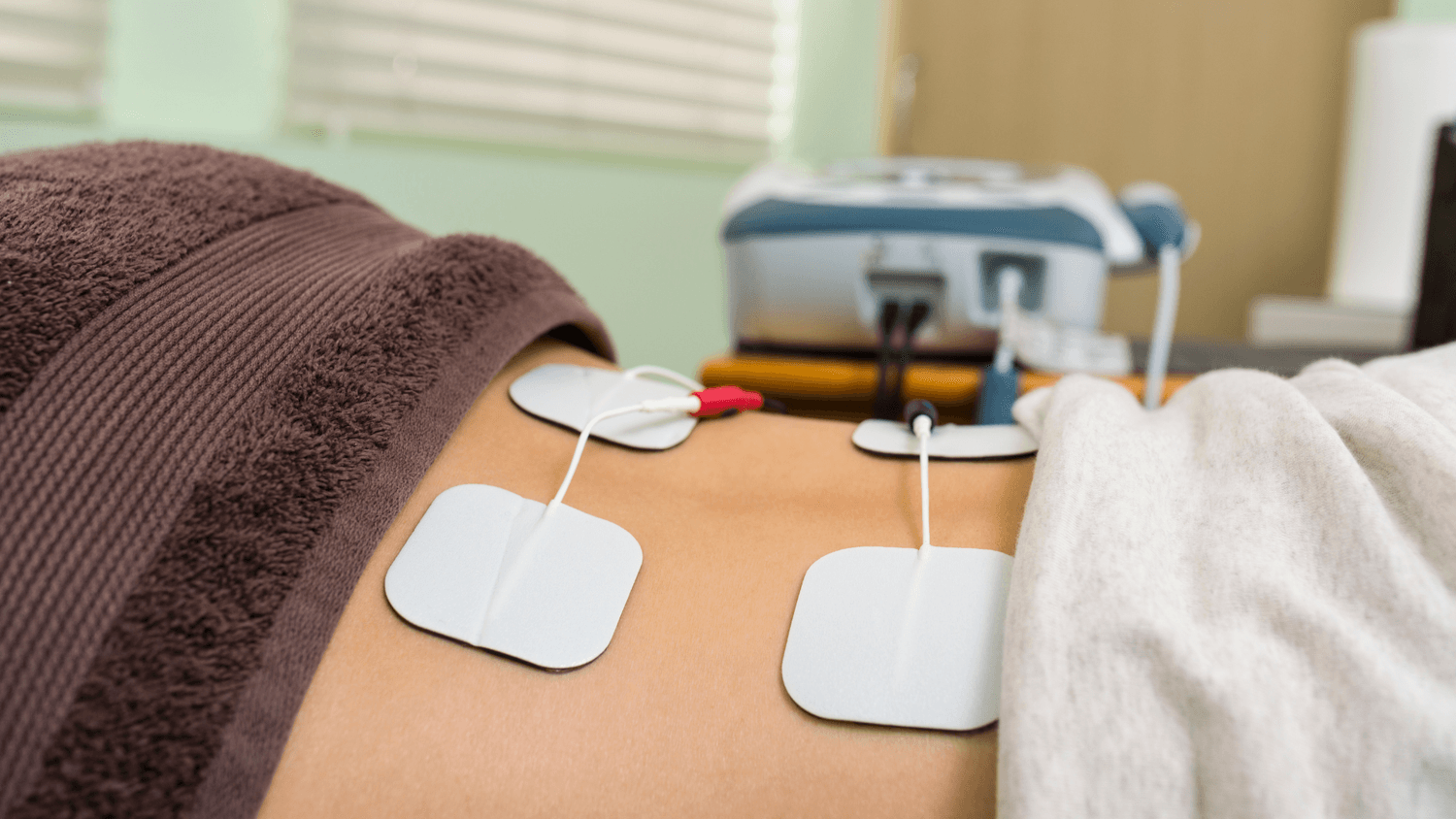
Transcutaneous Electrical Nerve Stimulation, or TENS, is a therapeutic technique that uses low-voltage electrical currents to relieve pain. Originating from the broader field of electrotherapy, it has gained popularity as a non-invasive method to manage discomfort. Users attach electrodes to the skin near the painful area, and the TENS unit sends electrical impulses through these electrodes. This approach is particularly appealing for those seeking alternatives to medication, especially when dealing with aches like tens for lower back pain.
How Does TENS Work?
The mechanism behind TENS is fascinating. These electrical pulses interfere with the pain signals traveling to the brain, promising relief by blocking these signals. Think of it as a friendly bouncer at a club, diverting unwanted guests. Additionally, these pulses can stimulate the production of endorphins, the body's natural painkillers. The dual action of blocking pain signals and boosting endorphins makes TENS units a compelling choice for pain management, especially for a tens unit for lower back pain.
Types of TENS Units
TENS units come in various forms, catering to diverse needs and preferences:
Portable TENS Units: These are small, battery-operated devices perfect for those on the go, providing flexibility and convenience.
Clinic-Based TENS Units: Larger and more powerful, these are often used in professional settings under supervision.
Customizable TENS Units: Tailored for specific pain levels, these units offer adjustable settings to fine-tune the treatment.
When selecting a TENS unit, consider where and how you plan to use it. Each type offers distinct advantages, depending on your lifestyle and level of discomfort.
Safety and FDA Approval
Safety is paramount when exploring any treatment, and TENS therapy is no exception. It's reassuring to know that most TENS units are approved by the FDA, indicating they meet safety standards. However, it's crucial to follow usage guidelines and consult with a healthcare professional before use. While TENS units are generally safe, certain conditions like pregnancy or the presence of a pacemaker may pose risks. Always prioritize safety and make informed choices about integrating TENS into your pain management regimen.


Benefits of Using TENS for Lower Back Pain
Experiencing persistent lower back pain can feel like an unavoidable part of everyday life, but finding effective relief doesn’t have to be daunting. Transcutaneous Electrical Nerve Stimulation (TENS) offers a beacon of hope for many, promising targeted pain relief without invasive procedures or heavy medication reliance. Let's explore the compelling benefits of using a TENS unit for lower back pain and how it can transform your approach to managing discomfort.
Non-Invasive Pain Relief
A standout feature of TENS therapy is its non-invasive nature. Unlike treatments that may require incisions or needles, TENS employs external electrodes to deliver gentle electrical pulses. This method offers a soothing solution, making it ideal for those reluctant to undertake more invasive procedures. It’s like having a mini-therapist gently kneading away the tension and discomfort without ever needing to step into a clinic.
Reduction of Opioid Use
In a world deeply concerned with the opioid crisis, TENS units emerge as a significant alternative. By managing pain effectively, they can reduce the need for opioid medications. This shift not only aids in preventing potential dependency but also aligns with a broader movement toward natural and sustainable health practices. Imagine the relief of managing your lower back pain without the cloud of medication side effects.
Customization of Treatment
One size rarely fits all, especially in pain management. It's crucial to tailor treatment to individual needs, and TENS units excel here. With adjustable settings, these devices offer personalized treatment that caters to varying degrees of pain and sensitivity. Think of it like having a thermostat for your pain—turn it up or down as needed for optimal comfort.
Improvement of Mobility
When pain is minimized, moving becomes easier, and mobility naturally improves. TENS therapy can assist in diminishing pain enough to encourage more activity, which fosters overall well-being. By reducing discomfort, a TENS unit for lower back pain can become your companion in reclaiming vitality and joy in movement—like oil to a creaky hinge, it helps everything move smoother.

How to Use a TENS Unit for Lower Back Pain
Navigating the best ways to use a TENS unit for lower back pain can seem daunting at first. Yet, understanding its optimal use is crucial for maximizing the benefits. TENS units offer a non-invasive, drug-free approach to pain management, making them an appealing choice for many. Below, we'll explore the essential steps to harnessing their full potential.
Choosing the Right TENS Unit
When it comes to choosing a TENS unit, the market offers a wide variety of options. Picking the right unit depends on several factors, such as your lifestyle, budget, and specific pain needs.
Portability: Look for a compact device if you need pain relief on the go. Portable units usually run on batteries, providing the freedom to use them anywhere.
Adjustability: Ensure the unit has adjustable settings. You want to control the intensity, frequency, and duration of the electrical impulses, tailoring it to your comfort level.
User-Friendly Interface: For ease of use, select a unit with a simple, intuitive interface. Complex settings can make the device difficult to operate, especially if you're new to TENS therapy.
Placement of Electrodes for Lower Back Pain
To effectively use a TENS unit, proper placement of electrodes is key. Where you place these sticky pads can significantly impact the unit's effectiveness.
Identify Painful Areas: Place electrodes on the skin over or surrounding the area of pain. For lower back pain, this often means positioning them on either side of the spine.
Avoid Bone and Joints: Position the electrodes on the muscles rather than directly over joints or bones, ensuring better stimulation of the nerves.
Maintain Clean Skin: Before applying electrodes, ensure your skin is clean and dry. Oil or lotion can interfere with the adhesive, reducing the effectiveness of the session.
Recommended Settings and Duration
Utilizing the right settings and duration can enhance the effectiveness of TENS therapy. While settings can vary based on individual needs, here are some general guidelines:
Intensity: Start with a low intensity and gradually increase it to a comfortable level. You should feel a tingling sensation without discomfort.
Frequency and Pulse Width: For lower back pain, medium to high-frequency settings can be effective. Pulse width should be adjusted to your comfort level, typically between 150-250 microseconds.
Session Duration: Limit each session to 20-30 minutes. Overuse can lead to skin irritation or muscle twitching. Multiple sessions a day are fine, but allow for breaks between them.
By following these steps, using a TENS unit for lower back pain can be both effective and convenient. Fine-tuning your approach ensures that you get the most out of this innovative pain management solution, helping you stay active and engaged in everyday life.
Efficacy of TENS Units for Lower Back Pain
The use of TENS (Transcutaneous Electrical Nerve Stimulation) units has been a subject of growing interest for those seeking relief from lower back pain. These devices offer a promising alternative for pain management without relying on pharmaceuticals. The science supporting TENS units, alongside real-life stories of users, paints a compelling picture of their potential efficacy. Below, we explore various aspects of TENS therapy through clinical evidence, personal experiences, and comparisons with other methods.
Clinical Studies and Results
Scientific research has been instrumental in evaluating the effectiveness of TENS units for managing lower back pain. Numerous studies have demonstrated beneficial outcomes:
Decreased Pain Levels: Clinical trials consistently report a reduction in pain severity among participants using TENS units. These trials often involve both real and placebo treatments, with TENS groups showing significant improvements.
Improved Functional Mobility: Participants frequently report enhanced mobility as pain decreases. This boost in movement is crucial for overall quality of life and encourages physical activity, which can aid in long-term pain management.
Enhanced Endorphin Production: Studies reveal that TENS therapy can increase endorphin levels, the body's natural painkillers, enhancing its pain-relieving effects.
The body of evidence supports the use of TENS for lower back pain, highlighting it as a viable, non-invasive option for chronic pain sufferers.
Patient Testimonials and Experiences
Real-life experiences often speak louder than clinical studies. Many users of TENS units for lower back pain have shared positive feedback:
Quick Relief: Users frequently describe immediate relief from pain upon using the device. This rapid response can be a game-changer for chronic pain sufferers who cannot wait long periods for relief.
Convenience and Comfort: One of the most appreciated aspects is the ease of use. Portable TENS units allow users to manage pain discreetly, whether at home or on-the-go.
Reduced Dependence on Medication: Many report a decrease in the need for pain medication, attributing this change to the consistent use of TENS therapy.
These testimonials underline the practical benefits of integrating a TENS unit for lower back pain into daily routines, offering a sense of empowerment to users.
Comparative Analysis with Other Pain Relief Methods
When considering pain management options, it's crucial to compare TENS therapy with other available methods:
TENS vs. Medication: Unlike analgesics, TENS units do not involve oral intake, minimizing potential side effects and drug interactions. This non-invasive approach is less risky for those looking to avoid medications.
TENS vs. Physical Therapy: While physical therapy requires scheduled appointments and can be costly, TENS offers flexibility and a one-time purchase for continuous use, making it more accessible for long-term management.
TENS vs. Acupuncture: Both involve stimulation to relieve pain, but TENS units provide a needle-free experience, which can be more appealing to needle-averse individuals.
Overall, TENS units shine as a versatile, user-friendly pain relief method, particularly for those with lower back pain. They stand out by combining the potential for immediate relief with long-term usability, offering a unique solution in the toolkit for pain management.


Potential Side Effects and Considerations
Using a TENS unit for lower back pain relief can be a revelation, offering potential comfort and freedom from ongoing discomfort. However, like any therapy, it's essential to be aware of possible side effects and considerations to ensure it's the right fit for you. Let's explore the typical experiences and those who might need to exercise caution with this therapy.
Common Side Effects
When using tens for lower back pain, the majority of users find it straightforward and without issues. Nevertheless, it's crucial to be mindful of some common side effects that may occur:
Skin Irritation: Prolonged or repeated use of the sticky electrode pads can lead to skin redness or irritation. Rotating the placement of pads often helps to alleviate this issue.
Muscle Twitching: Occasionally, if the setting is too high, the electrical pulses might cause mild muscle twitching. Adjusting the intensity can resolve this quickly.
Discomfort: A tingling sensation is expected, but if it turns uncomfortable, it's wise to stop and reassess the settings or placement of the electrodes.
Although these side effects are generally minor, they highlight the importance of careful usage and attention to your body's responses.
Who Should Avoid TENS Therapy?
While TENS therapy offers an appealing alternative for many, it's not suitable for everyone. Some individuals should avoid using a tens unit for lower back pain:
Pregnant Women: TENS is generally not recommended during pregnancy, especially near the abdominal area, due to potential risks.
People with Pacemakers: The electrical impulses could interfere with the functioning of a pacemaker or other implanted devices.
Epilepsy Patients: TENS might induce seizures in those with epilepsy, particularly if electrodes are placed near the head or neck.
Always seek advice from a healthcare professional if you fall into these categories or have underlying health conditions before starting TENS therapy. Personal safety should never be overlooked when considering new pain management techniques.
Conclusion
In the journey to alleviate lower back pain, TENS therapy has emerged as a promising tool in pain management. Its appeal stems from its non-invasive nature and the ability to customize treatment, making it a suitable choice for many looking for relief. As you consider integrating a TENS unit for lower back pain into your routine, it's essential to weigh the benefits against any potential side effects and consult with a healthcare professional as needed.
Whether you're exploring TENS as an alternative to pain medication or as a supplement to existing treatment plans, it's crucial to understand how to use the device effectively. From selecting the right unit to fine-tuning its settings, each step can enhance its efficacy and integrate it seamlessly into your life. This approach ensures you maximize the device's potential and experience sustained comfort and improved mobility.
The feedback from users and support from clinical evidence further strengthen the case for considering TENS for lower back pain. These perspectives, combined with the versatility and ease of use of TENS units, provide a compelling argument for their place in modern pain management strategies.
In the end, TENS units stand out as a beacon of hope, offering a new chapter in your story with pain management. By embracing this technology, you take control of your discomfort, setting the stage for a pain-managed future. Explore, engage, and empower yourself to reclaim your quality of life with TENS therapy.


Legal


You Can Fix Your Back...
You Just Need The Right Program
Reduce your sciatic pain in days, not weeks.
No more endless doctor visits—take control at home.
Empower yourself with a program backed by real results.
2024 Sciatica Self Treatment / Back Pain Self Treatment

Legal
2024 Sciatica Self Treatment / Back Pain Self Treatment