

Understanding the Link Between Scoliosis and Sciatica: Causes and Solutions
Could scoliosis be the hidden trigger behind your sciatica pain? Although both scoliosis and sciatica might seem unrelated at first glance, there's a significant connection you shouldn't overlook. Scoliosis, a condition marked by an abnormal sideways curvature of the spine, can often lead to the compression of spinal nerves. This compression may cause sciatica, characterized by sharp, radiating pain along the sciatic nerve. Understanding how scoliosis can affect the sciatic nerve is crucial for effective management and relief. In this post, we'll explore the causes behind sciatica from scoliosis and provide insights into potential solutions to ease your discomfort.
What is Scoliosis?
Scoliosis refers to a sideways curvature of the spine that often occurs during the growth spurt just before puberty. It's a condition that impacts millions worldwide and can range from mild to severe. Understanding the underlying types and causes of scoliosis can improve awareness and support effective management, especially if there's a connection to sciatica.
Types of Scoliosis
When discussing scoliosis, it's essential to recognize that not all cases are the same. Different types exist, each with its unique characteristics:
Idiopathic Scoliosis: This is the most common form, with no identifiable cause. It primarily appears in adolescents, with its onset often seen during puberty. Parents might notice their child’s shoulders are uneven or that one hip appears higher than the other.
Congenital Scoliosis: This type results from a spinal deformity that occurs during fetal development. Here, the vertebrae may not form correctly or may be partially fused. Congenital scoliosis often requires early medical intervention.
Neuromuscular Scoliosis: Associated with neurological conditions such as cerebral palsy or muscular dystrophy. It arises when the muscles and nerves cannot maintain a proper alignment of the spine.
Each type of scoliosis can potentially lead to symptoms of sciatica if the curvature affects the alignment and health of the spinal nerves.
Causes and Risk Factors
The causes and risk factors associated with scoliosis are varied and complex. In some instances, genetics play a significant role, particularly in idiopathic scoliosis, which seems to run in families. However, the exact genetic factors remain largely unidentified.
Age: Typically, scoliosis shows up in children during growth spurts. Monitoring this growth is crucial, especially in children with a family history of the condition.
Gender: Females are more likely to develop scoliosis. When scoliosis and sciatica intersect, the discomfort may become more pronounced.
Medical Conditions: As seen with neuromuscular scoliosis, certain conditions can increase the risk by affecting the body's muscular control.
While scoliosis itself might not initially cause pain, its progression can lead to conditions like "sciatica from scoliosis" or "sciatica scoliosis." This occurs when spinal nerves are compressed, leading to radiating pain that may be debilitating.


What is Sciatica?
Sciatica is a common condition often characterized by pain radiating along the sciatic nerve, which runs from the lower back through the hips and buttocks and down each leg. This nerve is the longest and widest in the human body, which means it can cause significant discomfort when irritated or compressed. Sciatica is not a disorder itself, but a symptom of an underlying medical condition.
Symptoms of Sciatica
The symptoms of sciatica can vary widely but are usually distinct enough to warrant attention:
Sharp, Radiating Pain: Most people experience a sharp pain that travels from the lower back down through the buttocks and into one or both legs. This pain can mimic a lightning bolt, striking without warning.
Numbness and Tingling: Alongside the pain, you might feel numbness or a tingling sensation in the affected leg or foot.
Muscle Weakness: The condition can lead to weakened muscles in the leg or foot, impacting your ability to walk or perform daily activities.
Increased Pain with Movement: Certain actions like coughing, sneezing, or prolonged sitting can exacerbate the pain.
Reduced Range of Motion: Some individuals might experience a reduced ability to move the leg or bend at the waist.
These symptoms tend to appear on one side of the body and can vary in intensity, from mild discomfort to severe pain that can lead to immobility.
Common Causes of Sciatica
Understanding the root causes of sciatica is key to addressing and alleviating its symptoms. Here are some common causes:
Herniated Discs: One of the most common causes of sciatica is a herniated disc in the spine. When a disc in the spine bulges or slips out of place, it can press on the sciatic nerve, leading to pain. This is often the culprit in cases of "sciatica from scoliosis."
Spinal Stenosis: This condition involves the narrowing of the spinal canal, which can compress the nerves, including the sciatic nerve. Spinal stenosis commonly occurs in older individuals as part of the natural aging process.
Piriformis Syndrome: The piriformis muscle, located in the buttocks, can become tight and irritate the sciatic nerve, particularly in cases of muscle imbalances or overuse.
Spondylolisthesis: When one vertebra slips forward over another, it can press on the nerve roots that make up the sciatic nerve, triggering pain and discomfort.
In the context of "scoliosis and sciatica," the curvature of the spine in scoliosis can exacerbate these conditions, compressing spinal nerves and leading to sciatica symptoms. Recognizing these causes can help you take proactive steps toward treatment and relief.
The Connection Between Scoliosis and Sciatica
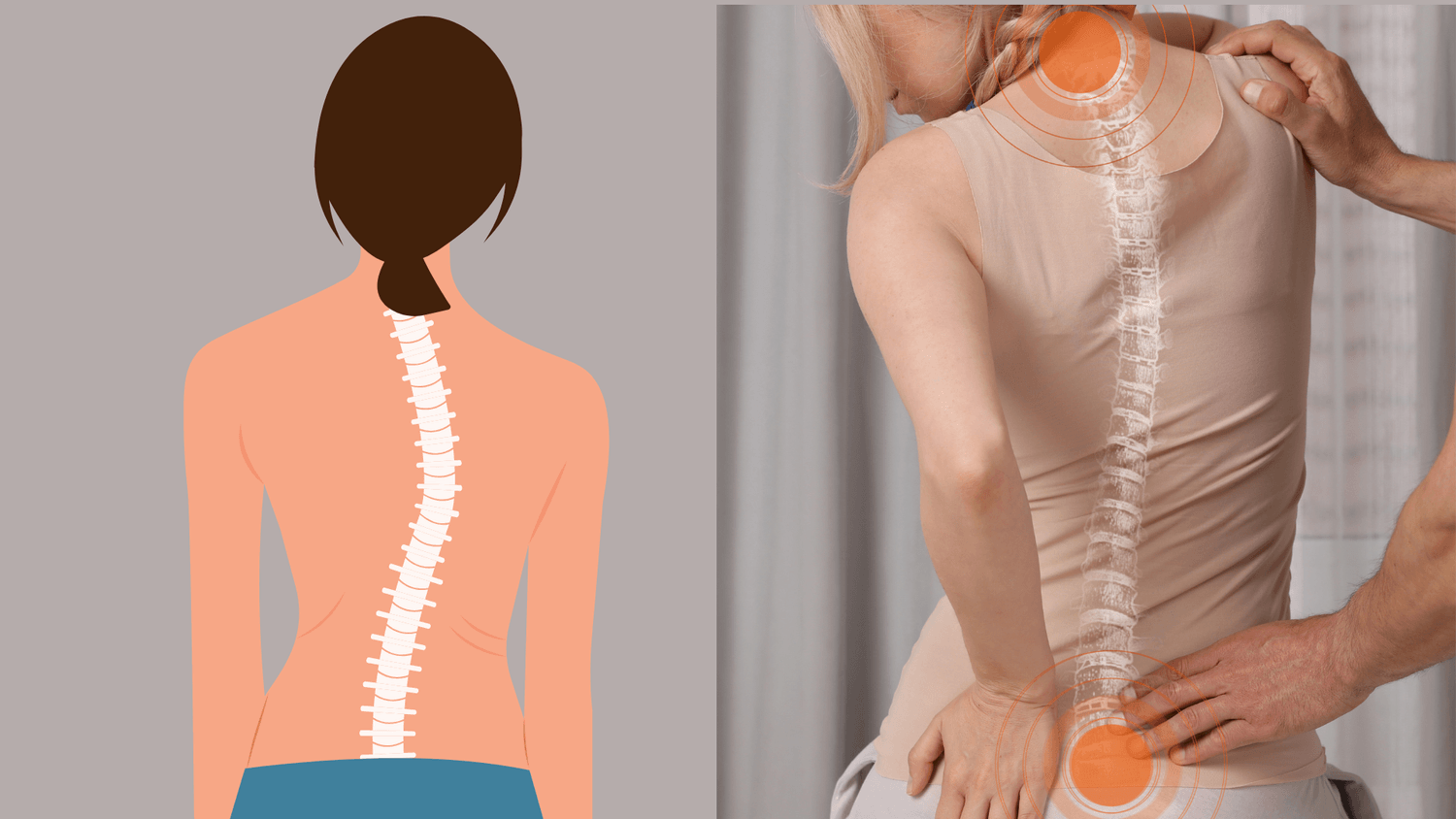
The interplay between scoliosis and sciatica is more significant than you might suspect. Though scoliosis itself doesn't always cause symptoms, the way it reshapes the spine can lead to trouble. When scoliosis warps the spinal column, it can press nerves, including the sciatic nerve. This pressure often results in "sciatica from scoliosis," manifesting as pain, numbness, or tingling down one side of the body. Understanding this connection is crucial for finding relief and managing symptoms effectively.
How Scoliosis Affects Spinal Structure
Scoliosis alters the spine's natural shape, causing it to curve sideways. This spine misalignment can disrupt the normal pathways of spinal nerves. Imagine the spine as a highway—ideally, it's a straight path, but scoliosis introduces a curve that can create bottlenecks for nerve communication. When the curvature is more pronounced, it may involve vertebrae rotating and shifting out of place, further complicating the flow of nerve signals.
Nerve Compression: This structural change increases the risk of the spinal nerves being pinched at the curved sections. When these nerves are pinched, it can lead to sciatica symptoms.
Bulging Discs: The uneven pressure on the spine might lead to herniated or bulging discs, which can irritate adjacent nerves.
The primary consequence is that scoliosis makes it easier for the sciatic nerve to become compressed, which could lead to pervasive pain or discomfort.
Symptoms of Sciatica from Scoliosis
Sciatica due to scoliosis often presents a unique set of symptoms. The way the spine curves can highlight these issues, making them more severe or frequent. Here are some common symptoms you might encounter:
1. Localized Pain: You feel pain primarily in the lower spine area, radiating into the hips and down the legs. This isn't the typical localized soreness but more of a searing sensation that may worsen with movement or prolonged standing.
2. Asymmetric Sensations: You may notice more discomfort or weakness in one leg compared to the other. This happens due to the disproportionate compression on one side of the spine.
3. Muscle Weakness: Muscle strength in the affected leg might deteriorate, making it challenging to walk or exert weight evenly.
4. Tingling and Numbness: A tingling, prickling sensation in the leg or foot could be a sign of nerve involvement. This is especially prevalent when the sciatic nerve is squeezed.
Recognizing these symptoms early can lead to more effective management strategies. Consulting with healthcare professionals for an accurate diagnosis is an essential step towards relief.
Diagnosis and Treatment Options
Living with scoliosis and sciatica can be challenging and requires a thorough understanding of both conditions for effective management. Identifying the right diagnostic techniques and treatment options is a critical step in addressing the discomfort and potential progression of these spinal conditions.
Diagnostic Approaches
Proper diagnosis of scoliosis and sciatica is key to effective treatment. Imaging techniques and clinical assessments play an essential role in detecting these conditions.
Imaging Techniques:
X-Rays: Commonly used to determine the degree of spinal curvature in scoliosis. It gives a clear picture of the vertebrae alignment.
MRI Scans: Provide detailed images of soft tissue, including the spinal nerves. This is crucial for diagnosing issues like nerve compression linked to sciatica.
CT Scans: Offers a more detailed view of the spinal bones, which can help identify abnormalities in structure.
Clinical Assessments:
Physical Examination: A thorough check by a healthcare professional to assess posture, spine curvature, and any abnormal gait.
Neurological Tests: To evaluate muscle strength, sensitivity, and reflexes, which may indicate nerve issues related to sciatica.
Through these methods, healthcare professionals can create a tailored treatment plan that aligns with the individual's specific condition.
Non-Surgical Treatment Options
Most cases of scoliosis and sciatica do not require surgery. Non-surgical treatments can provide significant relief and improve quality of life.
Physical Therapy:
Exercises tailored to strengthen core muscles and improve spine stabilization.
Techniques to enhance flexibility and reduce nerve tension.
Medications:
Pain Relievers: Over-the-counter options like ibuprofen can help manage mild pain.
Gabapentinoids: These are prescribed for neuropathic pain and can alleviate nerve pain in sciatica.
Lifestyle Changes:
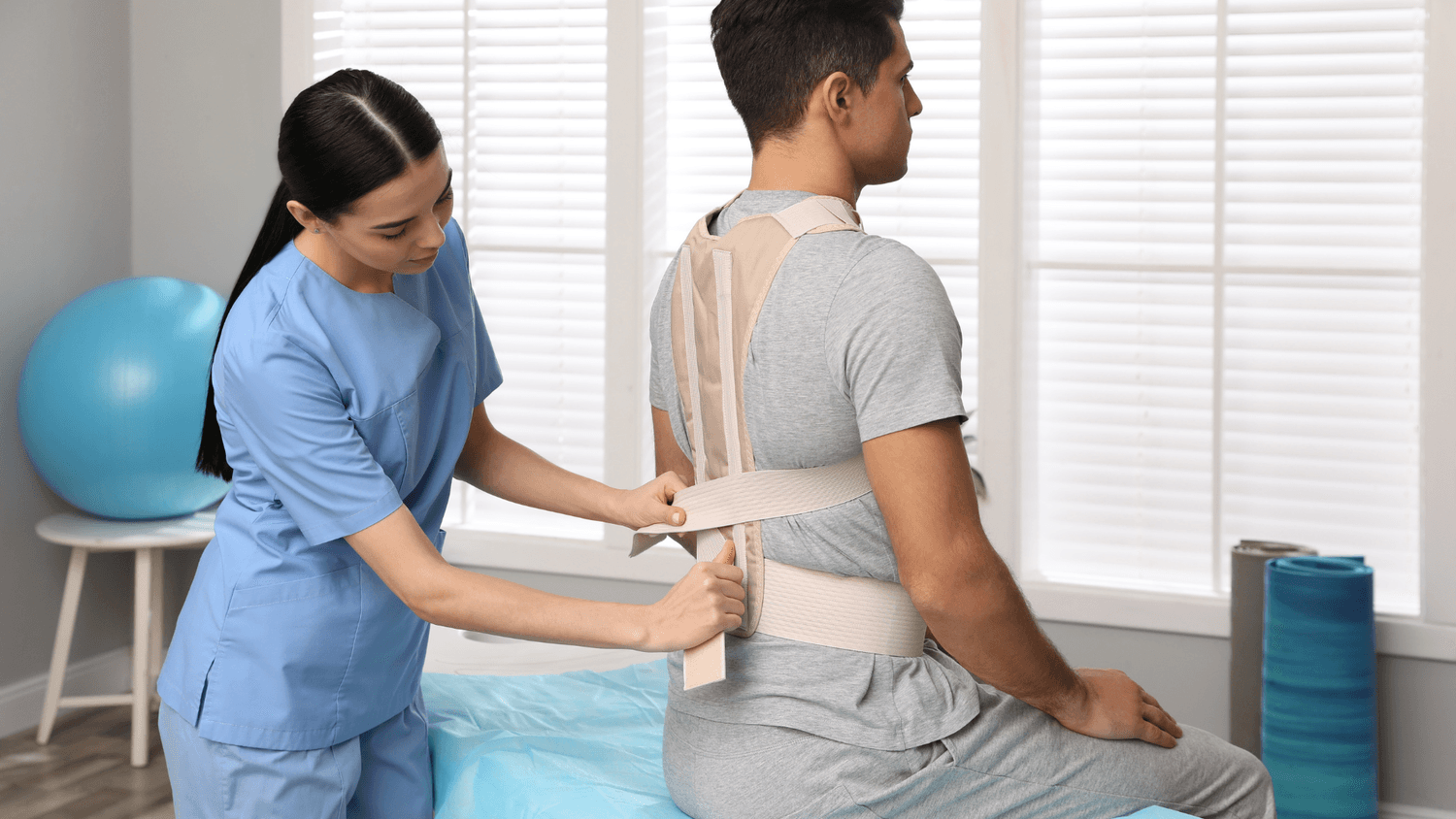
Posture Improvement: Using ergonomic furniture and adopting a healthy posture can reduce strain on the spine.
Regular Exercise: Activities like swimming and walking can benefit spinal health without excessive strain.
Through committed application, these approaches can alleviate symptoms and help maintain a healthier spine.
Surgical Options for Severe Cases
In more severe cases where non-surgical treatments fail, surgery might be considered for scoliosis and sciatica. This is typically a last resort.
Scoliosis Surgery:
Spinal Fusion: This involves fusing two or more vertebrae to prevent further curvature.
Vertebral Body Tethering: A flexible cord is used to straighten the spine, allowing for some mobility.
Sciatica Surgery:
Discectomy: Removal of the herniated portion of a disc to relieve nerve pressure.
Laminectomy: Removal of part of the vertebra, opening up space for the nerve roots.
Surgical options come with risks and require thorough discussion with a healthcare provider. Factors such as age, overall health, and the severity of the condition are crucial in decision-making.
Understanding these approaches helps in choosing the best path forward, ensuring effective relief and improved spinal health.
Living with Scoliosis and Sciatica
Living with scoliosis and sciatica requires a nuanced understanding of both conditions and their impact on daily life. Individuals often find that managing these intertwined challenges takes a multifaceted approach, combining pain management techniques and emotional support systems.
Pain Management Techniques
When it comes to addressing the discomfort of scoliosis and sciatica, effective pain management is key. It's essential to explore a variety of methods to find what works best for each individual.
Exercise
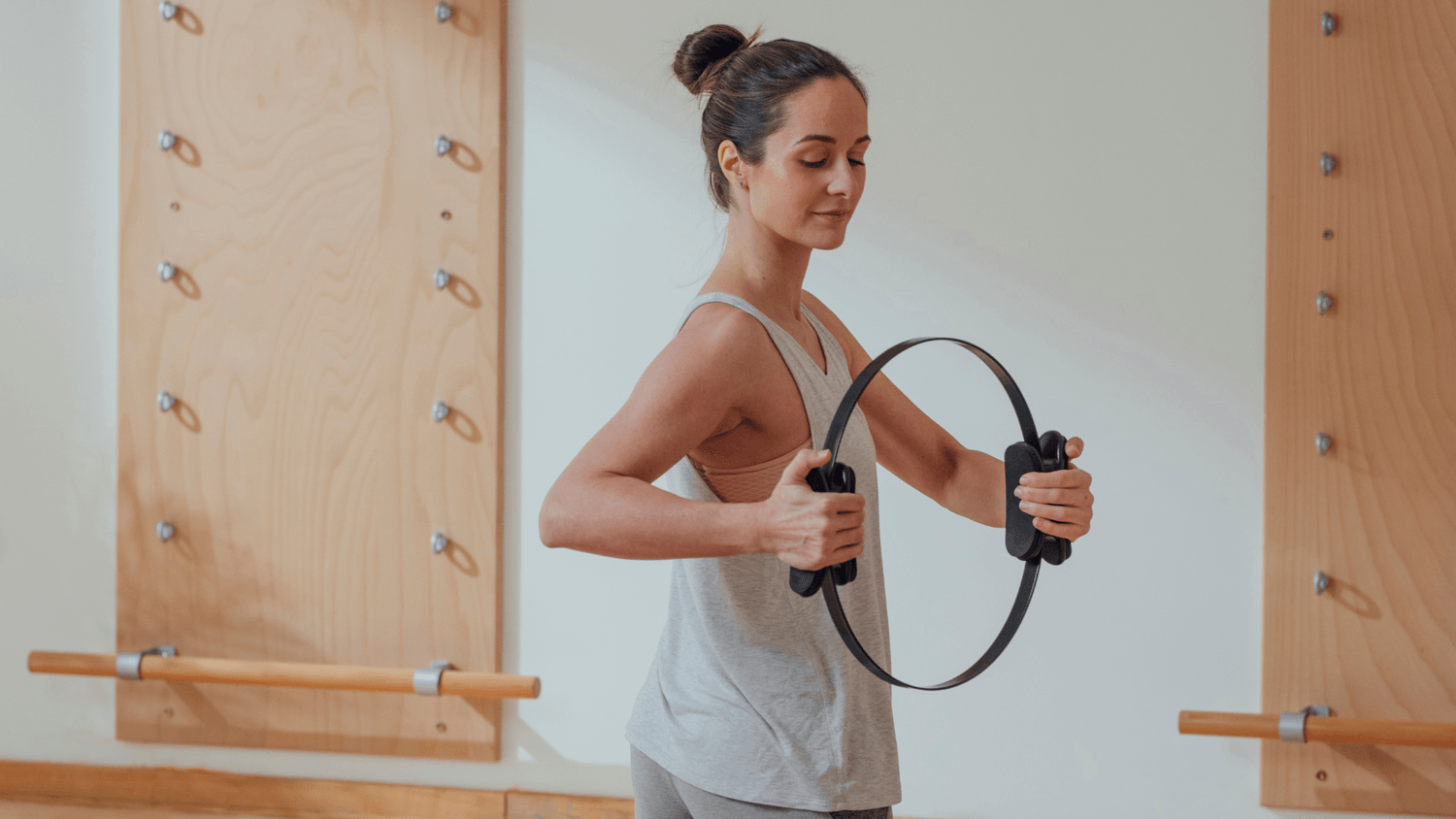
Regular physical activity can substantially reduce pain levels and improve spinal health. Exercises such as swimming, yoga, or Pilates help strengthen core muscles and enhance flexibility. This can ease the pressure on spinal nerves and promote better posture.
Medication
Pain relief medications can be an effective part of managing symptoms. Over-the-counter options like ibuprofen may be used for mild pain relief. In more severe cases, prescribed medications such as gabapentinoids can target nerve pain specifically linked to sciatica from scoliosis.
Alternative Therapies
Exploring alternative therapies can provide additional relief. Practices like acupuncture and chiropractic adjustments have many proponents who report reduced pain and improved mobility. Always consult with a healthcare provider before beginning alternative treatments to ensure they're appropriate for your condition.
Importance of Support Systems
While physical symptoms are a significant concern, the emotional stress of living with scoliosis and sciatica cannot be underestimated. A robust support system plays a vital role in coping with daily challenges.
Family and Friends
The support from loved ones provides a crucial emotional anchor. They can offer practical help, such as transportation to medical appointments or assistance with exercises. Moreover, their encouragement often boosts morale and helps maintain a positive outlook.
Medical Professionals
Relying on a team of healthcare providers is essential. Specialists can offer tailored advice and treatment plans unique to scoliosis and sciatica. Regular consultations ensure that any changes in symptoms are promptly addressed, preventing complications and ensuring ongoing management aligns with the individual's needs.
In conclusion, integrating various pain management techniques with strong support networks allows individuals to lead fulfilling lives. Balancing these aspects is crucial in navigating the complexities of scoliosis and sciatica.


Conclusion of Scoliosis and Sciatica
Understanding how scoliosis and sciatica connect is crucial for managing these conditions effectively. By recognizing the symptoms and potential causes, individuals can take proactive steps toward relief. Pain management techniques focus on relieving discomfort and maintaining a good quality of life. Successful treatment usually involves a combination of lifestyle adaptations, therapeutic exercises, and possibly medical intervention. Tailoring these strategies to individual needs can significantly improve outcomes for those grappling with sciatica from scoliosis.
Key Takeaways
1. Recognize Symptoms: Early identification of scoliosis and sciatica symptoms can lead to better management. If you notice persistent pain in your back or leg, seek medical advice.
2. Explore Treatment Options: No one-size-fits-all solution exists. Investigate non-surgical treatments like physical therapy or medication before considering surgical options for severe cases.
3. Lifestyle Adjustments: Regular exercise, good posture, and weight management can play a supportive role in reducing symptoms and improving overall spine health.
4. Seek Support: Building a strong support system, including healthcare providers and loved ones, can ease the journey of managing these conditions.
By addressing these areas, individuals living with scoliosis and sciatica can work toward lessening their pain and improving their quality of life.


Legal


You Can Fix Your Back...
You Just Need The Right Program
Reduce your sciatic pain in days, not weeks.
No more endless doctor visits—take control at home.
Empower yourself with a program backed by real results.
2024 Sciatica Self Treatment / Back Pain Self Treatment

Legal
2024 Sciatica Self Treatment / Back Pain Self Treatment