

Relieving Sciatic Nerve Pain: A Guide to Pressure Points and Acupressure Techniques
Sciatic nerve pain can be a debilitating condition that affects millions of people worldwide. It's characterized by a sharp, shooting pain that runs from the lower back down to the legs, often making everyday activities a challenge. But what if you could find relief from this pain without relying on medication or surgery? That's where pressure points come in. A pressure point for sciatic nerve pain is a specific spot on the body that, when applied with pressure, can help alleviate pain and discomfort.
Acupressure, a traditional Chinese medicine technique, has been used for centuries to treat various health conditions, including sciatic nerve pain. By applying pressure to specific points on the body, you can stimulate the body's natural healing processes and find relief from pain. In this article, we'll explore the best acupressure point for sciatic nerve pain relief and provide a comprehensive guide on how to use sciatic nerve pain pressure points to manage your symptoms. Whether you're looking for a natural alternative to traditional treatments or simply want to complement your existing therapy, this guide will show you how to harness the power of pressure points to take control of your sciatic nerve pain.
Understanding Sciatic Nerve Pain
Sciatic nerve pain is a common condition that affects millions of people worldwide. It's characterized by a sharp, shooting pain that runs from the lower back down to the legs, often making everyday activities a challenge. But what exactly is sciatic nerve pain, and what causes it?
Causes of Sciatic Nerve Pain
Sciatic nerve pain is often caused by irritation or compression of the sciatic nerve, which runs from the lower back down to the legs. Some common causes of sciatic nerve pain include:
Herniated discs: When the soft tissue between the vertebrae in the spine becomes damaged, it can put pressure on the sciatic nerve, causing pain and discomfort.
Sciatica: This is a condition that affects the sciatic nerve, causing pain, numbness, and tingling in the legs.
Spinal stenosis: This is a condition where the spinal canal narrows, putting pressure on the sciatic nerve and causing pain and discomfort.
Piriformis syndrome: This is a condition where the piriformis muscle in the buttocks becomes tight and compresses the sciatic nerve, causing pain and discomfort.
Spondylolisthesis: This is a condition where one of the vertebrae in the spine slips out of place, putting pressure on the sciatic nerve and causing pain and discomfort.
Symptoms of Sciatic Nerve Pain
The symptoms of sciatic nerve pain can vary from person to person, but common symptoms include:
Pain: A sharp, shooting pain that runs from the lower back down to the legs.
Tingling: A tingling or numbness sensation in the legs.
Weakness: Weakness or fatigue in the legs.
Numbness: Numbness or a feeling of pins and needles in the legs.
Burning: A burning sensation in the legs.
These symptoms can be debilitating and can make everyday activities a challenge. But there is hope for relief. By understanding the causes and symptoms of sciatic nerve pain, you can take the first step towards finding relief and managing your symptoms. In the next section, we'll explore how pressure points can be used to alleviate sciatic nerve pain.
Benefits of Using Pressure Points for Pain Relief
When it comes to managing sciatic nerve pain, many of us turn to medication or surgery as a solution. However, there's a natural alternative that's been used for centuries to alleviate pain and discomfort: pressure points. A pressure point for sciatic nerve pain is a specific spot on the body that, when applied with pressure, can help stimulate the body's natural healing processes and find relief from pain.
Natural Pain Relief
One of the most significant benefits of using pressure points for pain relief is that it's a drug-free method. Unlike medication, which can have unwanted side effects and interact with other medications, pressure points provide a natural and safe way to manage pain. By applying pressure to specific points on the body, you can stimulate the release of endorphins, the body's natural painkillers, and find relief from pain and discomfort.


Improved Blood Circulation
Another benefit of using pressure points for pain relief is that it can enhance blood circulation in the affected areas. When we experience pain, our blood vessels constrict, reducing blood flow to the area. By applying pressure to specific points on the body, you can help dilate blood vessels and improve circulation, which can help reduce pain and inflammation. An acupressure point for sciatic nerve pain, for example, can help stimulate blood flow to the lower back and legs, reducing pain and discomfort.
Using sciatic nerve pain pressure points can be a powerful way to take control of your pain and find relief. By stimulating the body's natural healing processes and improving blood circulation, you can reduce pain and inflammation and improve your overall quality of life. In the next section, we'll explore how to use pressure points to alleviate sciatic nerve pain and provide a comprehensive guide on how to get started with acupressure.
Identifying Key Pressure Points for Sciatic Nerve Pain
When it comes to managing sciatic nerve pain, understanding the key pressure points can be a game-changer. By applying pressure to specific points on the body, you can stimulate the body's natural healing processes and find relief from pain and discomfort. In this section, we'll explore the key pressure points for sciatic nerve pain, including the lower back, buttocks, and legs.
Pressure Point for Sciatic Nerve Pain in the Lower Back
One of the most effective pressure points for sciatic nerve pain is located in the lower back. This point is known as the B23 or Shenshu point. To locate this point, find the base of the spine and move your fingers about 1.5 inches to either side. You'll feel a slight indentation, which is where the B23 point is located.
To apply pressure to this point, use your thumbs or fingers to press into the indentation. Hold for 5-10 seconds and release. Repeat this process 3-5 times. You can also use a foam roller or tennis ball to apply pressure to this point.

Acupressure Point for Sciatic Nerve Pain on the Buttocks
Another key pressure point for sciatic nerve pain is located on the buttocks. This point is known as the GB30 or Huan Tiao point. To locate this point, find the middle of the buttock and move your fingers about 1 inch to either side. You'll feel a slight indentation, which is where the GB30 point is located.
To apply pressure to this point, use your thumbs or fingers to press into the indentation. Hold for 5-10 seconds and release. Repeat this process 3-5 times. You can also use a foam roller or tennis ball to apply pressure to this point.
Sciatic Nerve Pain Pressure Points on the Legs
In addition to the lower back and buttocks, there are also several pressure points on the legs that can help alleviate sciatic nerve pain. One of the most effective points is the GB34 or Yanglingquan point, which is located on the outside of the leg, just below the knee.
To locate this point, find the outside of the leg and move your fingers about 1 inch below the knee. You'll feel a slight indentation, which is where the GB34 point is located. To apply pressure to this point, use your thumbs or fingers to press into the indentation. Hold for 5-10 seconds and release. Repeat this process 3-5 times.
By applying pressure to these key points, you can help stimulate the body's natural healing processes and find relief from sciatic nerve pain. Remember to always consult with a healthcare professional before starting any new therapy or treatment.
Techniques for Applying Pressure to Sciatic Nerve Points
Now that we've identified the key pressure points for sciatic nerve pain, it's time to explore the techniques for applying pressure to these points. In this section, we'll discuss self-acupressure techniques and tools that can assist in applying pressure to the identified points.
Self-Acupressure Techniques
Self-acupressure is a simple and effective way to apply pressure to sciatic nerve pain pressure points. Here are some techniques to get you started:
Thumb pressure: Use your thumbs to apply pressure to the identified points. Hold for 5-10 seconds and release. Repeat this process 3-5 times.
Finger pressure: Use your fingers to apply pressure to the identified points. Hold for 5-10 seconds and release. Repeat this process 3-5 times.
Palmar pressure: Use the heel of your hand to apply pressure to the identified points. Hold for 5-10 seconds and release. Repeat this process 3-5 times.
Remember to breathe deeply and slowly while applying pressure to the points. This will help you relax and allow the pressure to penetrate deeper into the tissue.
Using Tools for Pressure Point Therapy
In addition to self-acupressure techniques, there are several tools that can assist in applying pressure to sciatic nerve pain pressure points. Here are some of the most common tools:
Foam rollers: Foam rollers are a great tool for applying pressure to large areas of the body, such as the lower back and buttocks.
Tennis balls: Tennis balls are a great tool for applying pressure to small areas of the body, such as the GB30 point on the buttocks.
Acupressure sticks: Acupressure sticks are a great tool for applying pressure to specific points on the body, such as the B23 point on the lower back.
Massage balls: Massage balls are a great tool for applying pressure to specific points on the body, such as the GB34 point on the leg.
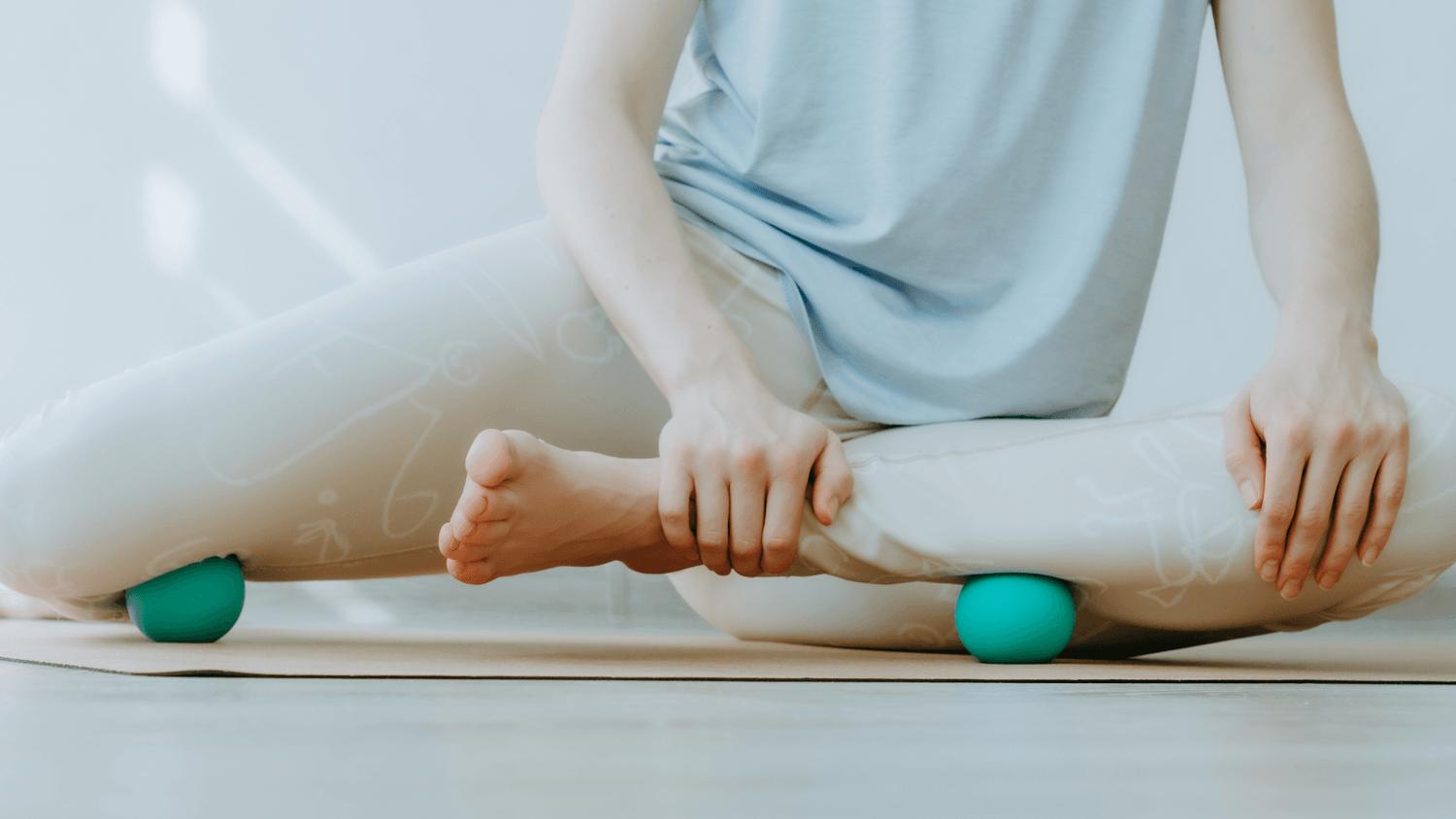
Remember to always consult with a healthcare professional before starting any new therapy or treatment. They can help you determine the best course of treatment for your specific condition and provide guidance on how to use these tools effectively.
Precautions and Considerations
When using pressure points for sciatic nerve pain, it's essential to take certain precautions and considerations to ensure a safe and effective experience.
Consulting a Healthcare Professional
Before starting any pressure point therapy, it's crucial to consult with a healthcare professional, especially if you have a pre-existing medical condition or are experiencing severe pain. They can help you determine the best course of treatment for your specific condition and provide guidance on how to use pressure points effectively.
A healthcare professional can also help you identify any underlying conditions that may be contributing to your sciatic nerve pain, such as a herniated disc or spinal stenosis. By addressing these underlying conditions, you can ensure that your pressure point therapy is targeting the root cause of your pain.
Understanding Individual Pain Responses
It's also important to understand that individuals may respond differently to pressure point therapy. What works for one person may not work for another, and it's essential to be patient and persistent when trying pressure points for sciatic nerve pain.
Some people may experience immediate relief from pressure point therapy, while others may take longer to notice the benefits. It's also possible that you may need to try different pressure points or techniques to find what works best for you.
By understanding your individual pain response and working with a healthcare professional, you can create a personalized treatment plan that addresses your unique needs and promotes optimal healing.


Conclusion
Managing sciatic nerve pain requires a comprehensive approach that addresses the root causes of the condition. One effective way to alleviate sciatic nerve pain is by using pressure points. A pressure point for sciatic nerve pain is a specific spot on the body that, when applied with pressure, can help stimulate the body's natural healing processes and find relief from pain.
By understanding the importance of pressure points and how to use them effectively, individuals can take control of their sciatic nerve pain and improve their overall quality of life. Whether you're looking for a natural alternative to traditional treatments or simply want to complement your existing therapy, pressure points are definitely worth exploring.
Using an acupressure point for sciatic nerve pain, such as the B23 or GB30 point, can help alleviate pain and discomfort in the lower back and legs. By applying pressure to these points, individuals can stimulate the release of endorphins, the body's natural painkillers, and find relief from pain.
In addition to using specific pressure points, individuals can also benefit from using sciatic nerve pain pressure points in conjunction with other natural therapies, such as massage, acupuncture, and physical therapy. By combining these therapies, individuals can create a comprehensive treatment plan that addresses the root causes of their sciatic nerve pain and promotes optimal healing.
If you're suffering from sciatic nerve pain, don't wait any longer to explore the benefits of pressure points. With the right guidance and support, you can learn how to use pressure points to alleviate your pain and improve your overall quality of life. Take the first step towards a pain-free life today.


Legal


You Can Fix Your Back...
You Just Need The Right Program
Reduce your sciatic pain in days, not weeks.
No more endless doctor visits—take control at home.
Empower yourself with a program backed by real results.
2024 Sciatica Self Treatment / Back Pain Self Treatment

Legal
2024 Sciatica Self Treatment / Back Pain Self Treatment