

Physical Therapy for Elderly With Back Pain: A Comprehensive Guide for Relief and Mobility
Navigating back pain can be challenging, especially for the elderly. Thankfully, physical therapy offers a beacon of hope. It's powerful in addressing discomfort and improving mobility. Through tailored exercises and expert guidance, physical therapy for elderly with back pain aims to enhance life quality significantly. Is your loved one struggling with pain? Or are you seeking solutions for yourself? Embrace physical therapy's potential to ease pain and restore freedom. Let's explore how this approach can transform everyday living for many seniors.
Understanding Back Pain in the Elderly
Back pain is a common issue among the elderly, often causing significant impairment in daily life. As we age, the body undergoes several changes, making it more vulnerable to conditions that lead to back pain. Let's look into the common causes and the impact this pain has on daily life.
Common Causes of Back Pain
Understanding the root causes of back pain is crucial for effective management:
Arthritis: A prevalent condition among seniors, arthritis leads to inflammation of the joints, which can affect the spine. This inflammation causes pain and stiffness, limiting mobility.
Osteoporosis: This condition weakens bones, making them more prone to fractures. In the spine, osteoporotic fractures are quite painful and can lead to significant deformity over time.
Muscle Strain: Muscle strength and flexibility decrease with age. Everyday activities, from bending to lifting, can strain back muscles, resulting in pain.
Recognizing these conditions can help you or your loved one seek suitable interventions, such as physical therapy for elderly with back pain, to alleviate discomfort and maintain an active lifestyle.
Impact on Daily Life
Back pain doesn't just hurt physically; it affects every aspect of daily life. Simple tasks, such as tying shoelaces or picking up a grandchild, become daunting challenges:
Limited Mobility: Walking, standing, or even sitting for long periods can become difficult. Pain can hinder everyday activities that many take for granted.
Reduced Independence: Persistent back pain often leads to reliance on others for daily tasks. This dependency can affect self-esteem and mental well-being.
Social Activities Decrease: Participation in social events and hobbies may decline, affecting emotional health and leading to feelings of isolation.
Understanding these impacts highlights the importance of interventions like physical therapy. Tailored exercises and support can significantly improve life quality by enhancing mobility and reducing pain.


Benefits of Physical Therapy for Seniors
When it comes to managing back pain in seniors, physical therapy is more than just a treatment; it's a lifeline. This specialized practice harnesses gentle exercises and expert techniques to improve daily living. It's not just about fixing one problem; it's about enhancing overall health and well-being. Let's explore some core benefits of physical therapy tailored for the elderly.
Pain Relief and Management
Physical therapy plays a crucial role in reducing pain for seniors. Through targeted exercises and manual therapies, therapists work to soothe aching muscles and joints. Does the pain seem relentless and unending? Think of physical therapy as a skilled craftsman, intricately weaving relief through precision techniques. Benefits include:
Customized routines that address individual pain points
Techniques that reduce inflammation and improve blood flow
Manual therapies like massage which can ease muscle tension
Such tailored interventions not only tackle pain at its source but also empower seniors to manage discomfort more effectively.

Improved Mobility and Flexibility
A significant advantage of physical therapy is its impact on mobility and flexibility. Seniors often face stiffness that limits their movement. Through regular sessions, therapy can unlock a greater range of motion. Imagine your body as a well-oiled machine, where each part moves effortlessly, working in harmony.
Stretching exercises that increase flexibility
Balance activities that reduce the risk of falls
Strength-building routines that enhance overall stability
These methods encourage smoother, safer movements, allowing seniors to enjoy daily activities with ease and confidence.
Strengthening Core Muscles
Core strength is pivotal in alleviating back pain, often acting as the body's foundation. Strong core muscles support the spine, reducing strain and preventing injury. Think of your core as the sturdy trunk of a tree, providing stability and support against the winds of discomfort.
Exercises that target abdominal and back muscles
Techniques focused on enhancing posture
Activities that improve core endurance
Building a robust core not only eases existing pain but also fortifies the body against future discomfort, fostering a more active and independent lifestyle for seniors.
What to Expect in Physical Therapy Sessions
When it comes to physical therapy for elderly with back pain, understanding the process can ease any anxiety about the treatment. Knowing what to anticipate empowers seniors and caregivers, transforming therapy from a daunting task into an opportunity for relief and renewed mobility. Let's delve into the key components of a typical session.
Initial Assessment
The journey begins with an initial assessment. Here, the physical therapist evaluates the individual's specific needs and health history. This session is like crafting a map for a journey toward wellness. It involves:
Personal Health Evaluation: Discussing past injuries, current health concerns, and lifestyle factors.
Mobility and Pain Analysis: Understanding the range of motion and pinpointing areas of discomfort.
Goal Setting: Establishing realistic, achievable goals tailored to the senior's lifestyle and capabilities.
This comprehensive assessment ensures that therapy aligns perfectly with the individual's unique needs, setting the stage for effective treatment.
Customized Therapy Plans
Post-assessment, the therapist crafts a personalized therapy plan. Think of this as a tailored suit, custom-fit to address specific challenges and strengths. Strategies often include:
Collaborative Planning: Involving the individual in decision-making to enhance engagement.
Flexible Scheduling: Accommodating personal routines and preferences.
Progress Tracking: Regular reviews to adjust the plan as needed, ensuring continued improvement.
A customized therapy approach ensures that seniors receive the most effective care, focusing on their personal journey toward pain relief and improved mobility.
Types of Physical Therapy Techniques
Various techniques are employed in physical therapy to address back pain for the elderly. These methods are akin to tools in a toolbox, each serving a unique function:
Exercise Programs: Involving stretching, strengthening, and cardiovascular activities to build endurance and flexibility.
Modalities: Techniques such as heat, ice, ultrasound, or electrical stimulation to reduce pain and improve circulation.
Hands-On Techniques: Including massage and joint mobilization to relieve muscle tension and enhance movement.
By combining these diverse techniques, physical therapy sessions offer a holistic approach to managing back pain, fostering a pathway to greater independence and quality of life for the elderly.
Exercises for Back Pain Relief
When it comes to managing back pain, especially in the elderly, exercise is a gentle healer. Exercise helps maintain flexibility, builds strength, and improves balance, crucial for overall well-being. Incorporating a structured routine into daily life can bring lasting relief and enhance movement.
Stretching Exercises: Focus on Flexibility
Stretching exercises are essential for maintaining flexibility, reducing muscle tension, and preventing stiffness. They are like oiling the rusty hinges of a door, allowing smooth and pain-free movements. Here are some simple yet effective stretches:
1. Cat-Cow Stretch: A yoga pose that gently stretches your spine, alleviating tension and promoting flexibility.
2. Hamstring Stretch: Helps loosen the muscles at the back of your legs, often linked to lower back pain.
3. Knee-to-Chest Stretch: Provides relief by stretching the lower back muscles and easing discomfort.
Regular stretching keeps the muscles supple and joints well-flexed, aiding in the prevention of injuries.
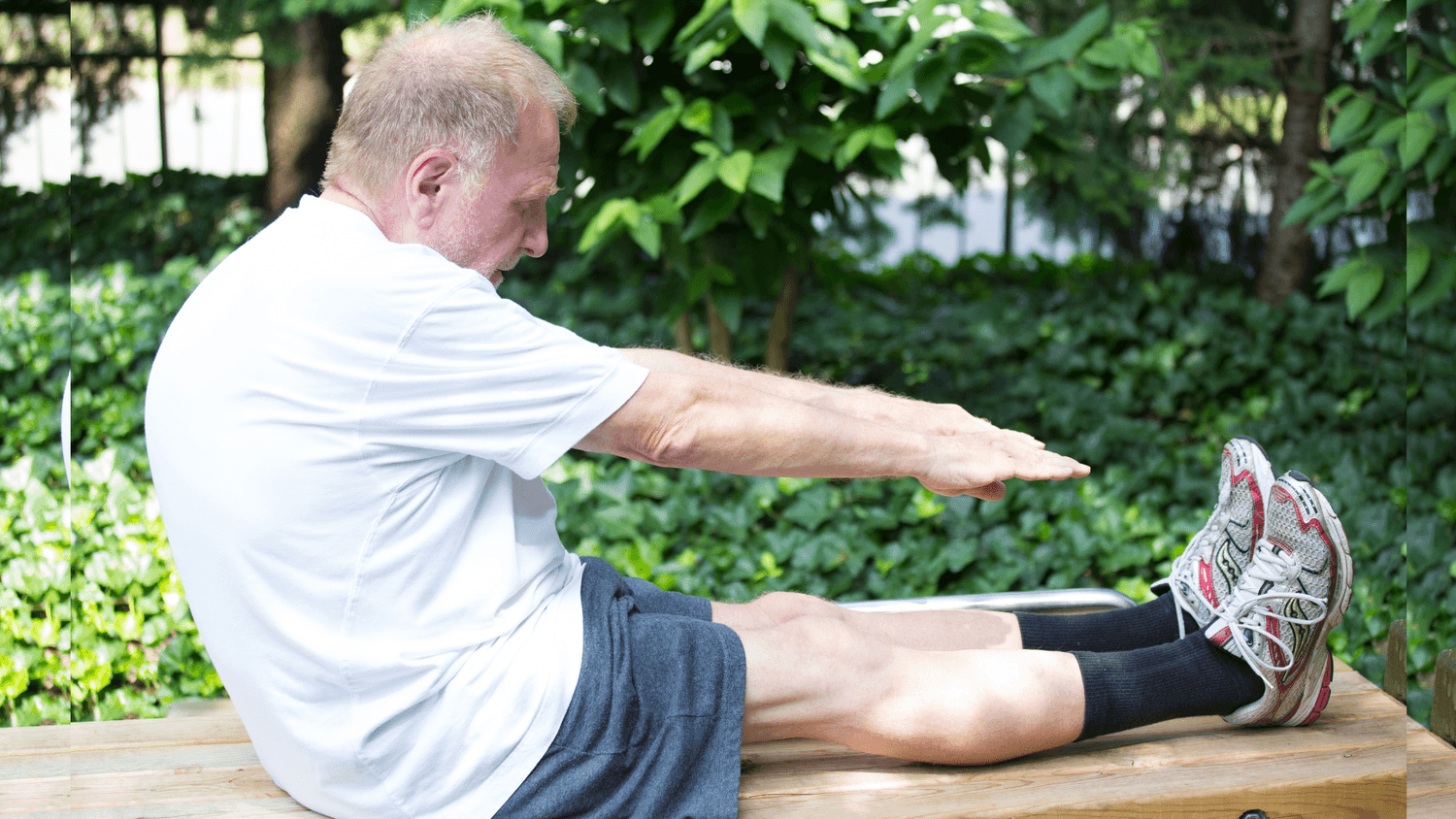
Strengthening Exercises: Build Muscle Strength
Strengthening exercises play a vital role in supporting the spine and reducing back pain. Think of them as building blocks that reinforce the body's backbone:
Modified Plank: Strengthens core muscles that support your back, improving posture and reducing strain.
Bridges: Targets the lower back and gluteal muscles, providing a stable foundation.
Wall Sits: Enhances muscle strength in the legs, essential for balancing the body's weight and alleviating pressure on the back.
Incorporating these exercises into your routine contributes to a robust support system that diminishes pain and fortifies overall health.
Balance and Stability Exercises: Improve Balance and Prevent Falls
Improving balance and stability is crucial in preventing falls, a common concern for the elderly. These exercises aid in steadying oneself, just like a ship stabilizing on choppy waters:
Heel-to-Toe Walk: Simple yet effective in enhancing balance and coordination.
Single Leg Stands: Strengthens leg muscles and improves equilibrium.
Tai Chi Movements: Promotes body control and mindfulness, reducing the risk of falling.
Regular practice of these exercises not only improves balance but also instills confidence in movement, reducing the fear of falls.
Incorporating a variety of these exercises into daily routines can lead to significant improvements in managing back pain. They empower the elderly, enabling them to embrace life with greater mobility and less discomfort.

When to Seek Physical Therapy
Deciding when to seek physical therapy can be confusing, especially for the elderly experiencing back pain. It's essential to recognize the signals your body sends. Let's focus on two primary indicators that suggest it's time to consult a therapist.
Persistent Pain
Persistent pain is a strong signal that requires attention. When back pain lingers beyond a few days and disrupts everyday life, it's time to consider physical therapy. Pain that doesn't subside or frequently returns may indicate an underlying issue needing professional evaluation. A therapist can assess the pain, identify its causes, and create a plan tailored to the individual needs. Think of this process as a detective solving the mystery of discomfort, leading to relief.
Without intervention, persistent pain can become chronic, impacting quality of life. Therapy targets the source of pain, offering effective management strategies. Seeking timely therapy can prevent further complications and help regain lost comfort.
Difficulty with Daily Activities
Struggling with daily activities is another sign to consider physical therapy. Tasks that once felt effortless, like tying shoes or walking, may become challenging. This difficulty is not just a nuisance; it signifies that the body needs assistance.
Therapy can restore lost function through targeted exercises and mobility training. It's like using the right key to unlock a door, opening up possibilities for improved independence. A physical therapist will develop a program focusing on the individual's unique challenges, enhancing their ability to perform daily tasks with ease.
By addressing these concerns early, therapy can significantly improve daily living, ensuring that elderly individuals remain active and engaged in their lives.


The Role of Community and Support
When managing back pain in the elderly, community and support play significant roles. Engaging with others brings not just motivation but a sense of belonging. Let's explore how family, friends, and support groups can enhance physical therapy's effectiveness.
Family and Friends: Essential Support System
Family and friends form the backbone of support for seniors undergoing physical therapy. They provide not only emotional backing but physical assistance too. Are your loved ones struggling with pain, or in need of encouragement?
Emotional Encouragement: Regular motivation can uplift spirits and foster a positive outlook.
Physical Aid: Assisting with exercises or appointments ensures adherence to therapy routines.
Active Participation: Engaging in activities together makes therapy enjoyable and less of a burden.
Involving family and friends in therapy creates a nurturing environment that promotes consistent progress and emotional well-being.
Support Groups: Sharing Experiences
Support groups offer a platform for seniors to share experiences and learn from each other. They become a beacon of hope for those navigating the challenges of back pain.
Shared Knowledge: Learning tips and strategies from peers can enhance personal practices.
Emotional Bonding: Knowing you're not alone eases emotional stress and boosts morale.
Accountability: Group settings encourage accountability, making it easier to stick to therapy plans.
Engaging with support groups provides a sense of community and shared purpose, essential for successful rehabilitation.
To further enhance understanding about managing back pain in seniors, it's crucial to consider how different therapy options can be tailored to meet individual needs. Seeking timely and professional guidance ensures a path to improved mobility and comfort.


Legal


You Can Fix Your Back...
You Just Need The Right Program
Reduce your sciatic pain in days, not weeks.
No more endless doctor visits—take control at home.
Empower yourself with a program backed by real results.
2024 Sciatica Self Treatment / Back Pain Self Treatment

Legal
2024 Sciatica Self Treatment / Back Pain Self Treatment