

What Does an Osteopath Do for Lower Back Pain? A Comprehensive Guide to Relief and Recovery
Lower back pain is a common complaint that affects millions of people worldwide. In fact, it's estimated that up to 80% of adults will experience lower back pain at some point in their lives. The pain can range from mild to severe, and in some cases, it can be debilitating. If you're one of the many people suffering from lower back pain, you may be wondering what treatment options are available to you. One question that often comes up is: what does an osteopath do for lower back pain?
Osteopaths are healthcare professionals who specialize in treating musculoskeletal disorders, including lower back pain. They use a range of techniques, including manual therapy, exercise, and lifestyle advice, to help patients manage their pain and improve their overall health. But what exactly does an osteopath do for lower back pain, and how can they help you? In this article, we'll explore the role of osteopaths in treating lower back pain and what you can expect from a visit to an osteopath.
What Does an Osteopath Do for Lower Back Pain?
If you're struggling with lower back pain, you may be wondering what an osteopath can do to help. Osteopaths are healthcare professionals who specialize in treating musculoskeletal disorders, including lower back pain. But what exactly does an osteopath do for lower back pain?
The Osteopathic Approach to Lower Back Pain
The osteopathic approach to treating lower back pain is holistic, meaning that osteopaths consider the whole person, not just the symptoms. They look at the body as a complex system, where every part is interconnected and interdependent. This approach allows osteopaths to identify and address the underlying causes of lower back pain, rather than just treating the symptoms.
Osteopaths believe that the body has an innate ability to heal itself, and that their role is to facilitate this process. They use a variety of techniques, including manual therapy, exercise, and lifestyle advice, to help the body recover from injury or illness.
Manual Therapy Techniques Used by Osteopaths
Osteopaths use a range of manual therapy techniques to treat lower back pain. These may include:
Soft tissue manipulation: This involves using gentle, sustained pressure to release tension in the muscles and connective tissue.
Joint mobilization: This involves using gentle, controlled movements to improve the range of motion in the joints.
Muscle energy techniques: This involves using the patient's own muscles to help restore balance and alignment to the body.
These techniques can help to reduce pain and inflammation, improve mobility, and promote healing.
The Role of Exercise and Stretching in Osteopathic Treatment
Exercise and stretching play a crucial role in osteopathic treatment for lower back pain. Osteopaths may recommend specific exercises to help improve flexibility, strength, and posture, as well as to reduce pain and inflammation.
Some examples of exercises that may be recommended include:
Pelvic tilts: This involves lying on your back and tilting your pelvis upwards and then back down again.
Knee to chest stretches: This involves bringing one knee towards your chest and holding for a few seconds before releasing.
Cat-cow stretches: This involves arching your back and then rounding it, repeating the motion several times.
These exercises can help to improve flexibility and reduce tension in the muscles, which can help to alleviate lower back pain.


Assessment and Diagnosis of Lower Back Pain
When it comes to answering the question, "what does an osteopath do for lower back pain?", a thorough assessment and diagnosis are crucial steps in developing an effective treatment plan. An osteopath will use a combination of medical history, physical examination, and diagnostic imaging to identify the underlying causes of lower back pain.
Taking a Medical History
Taking a thorough medical history is an essential part of assessing lower back pain. An osteopath will ask questions about the patient's symptoms, medical history, and lifestyle to gain a better understanding of the underlying causes of their pain. This may include questions about:
The location and severity of the pain
The duration of the pain
Any previous injuries or conditions that may be contributing to the pain
The patient's occupation and daily activities
Any medications or supplements the patient is currently taking
By taking a comprehensive medical history, an osteopath can identify potential risk factors and underlying causes of lower back pain, such as muscle imbalances, poor posture, or underlying medical conditions.
Physical Examination and Testing
A physical examination is also an essential part of assessing lower back pain. An osteopath will use a combination of palpation, range of motion testing, and special tests to assess the patient's musculoskeletal system and identify any areas of dysfunction. This may include:
Palpation: using the hands to feel for areas of tension or tenderness in the muscles and joints
Range of motion testing: assessing the patient's range of motion in the spine and other joints
Special tests: using specific tests to assess the integrity of the muscles, ligaments, and joints, such as the straight leg raise test or the slump test
By using a combination of physical examination and testing, an osteopath can identify areas of dysfunction and develop a treatment plan that addresses the underlying causes of lower back pain.
Diagnostic Imaging and Other Tests
In some cases, an osteopath may use diagnostic imaging or other tests to further assess lower back pain. This may include:
X-rays: to assess the alignment and structure of the spine
CT scans: to assess the discs, facet joints, and other structures in the spine
MRI scans: to assess the soft tissues, such as muscles, ligaments, and discs
Blood tests: to rule out underlying medical conditions, such as inflammatory arthritis or infection
By using diagnostic imaging and other tests, an osteopath can gain a better understanding of the underlying causes of lower back pain and develop a treatment plan that addresses the specific needs of the patient.
Osteopathic Treatment for Lower Back Pain
When it comes to lower back pain, many people are left wondering what does an osteopath do for lower back pain? The answer lies in the unique approach osteopaths take to treating the whole body, not just the symptoms. Osteopathic treatment for lower back pain focuses on restoring balance and function to the entire musculoskeletal system, rather than just addressing the pain itself.
Soft Tissue Manipulation and Joint Mobilization
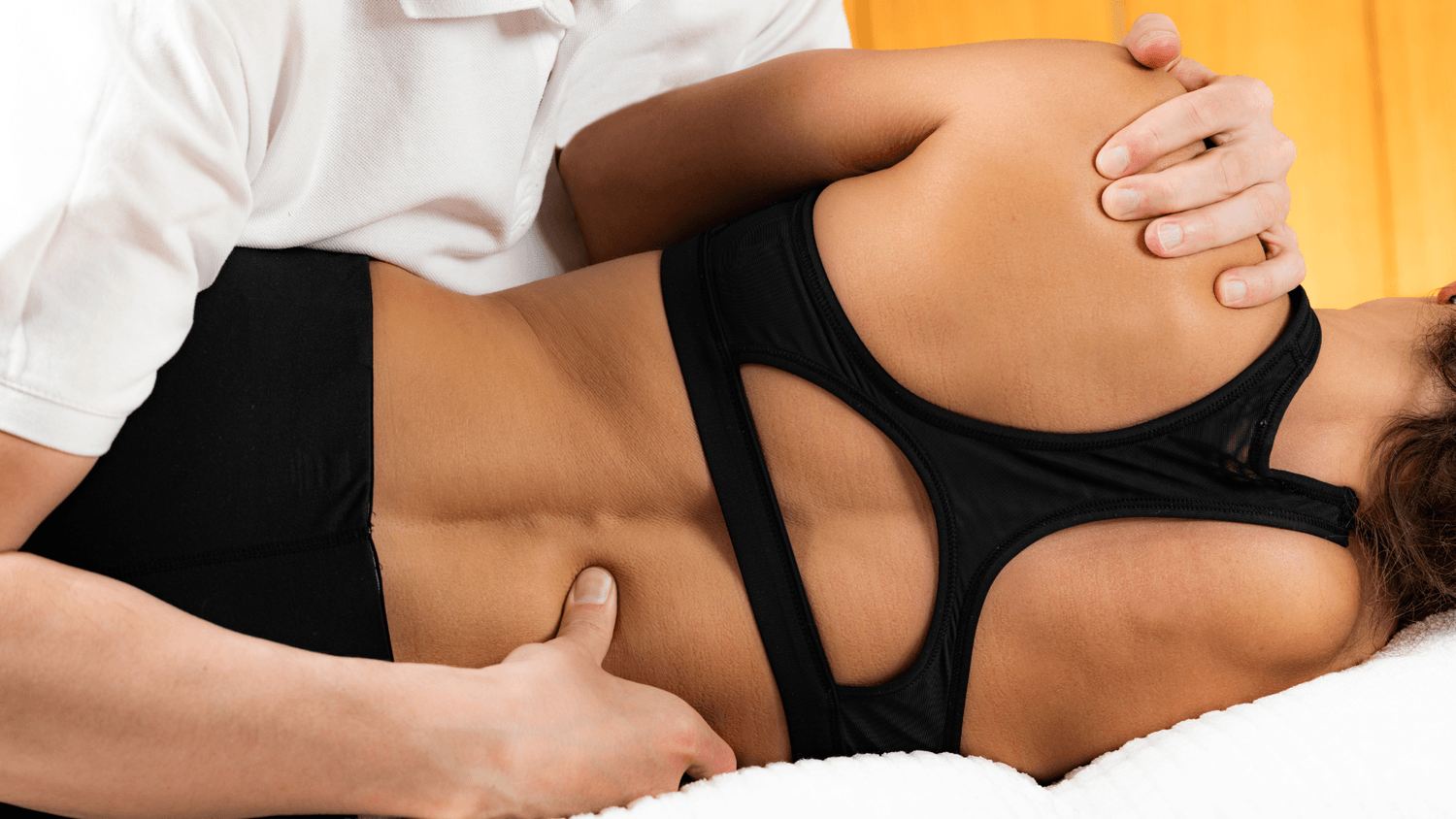
Osteopaths use a range of techniques, including soft tissue manipulation and joint mobilization, to help restore movement and reduce tension in the lower back. Soft tissue manipulation involves gentle, sustained pressure to connective tissue, such as muscles, tendons, and ligaments, to help break up adhesions and scar tissue. Joint mobilization, on the other hand, involves gentle, controlled movements to help restore normal joint function and reduce stiffness.
These techniques can be incredibly effective in reducing pain and improving mobility in the lower back. By releasing tension in the soft tissues and restoring normal joint function, osteopaths can help reduce pressure on the spine and surrounding muscles, leading to a significant reduction in pain.
Muscle Energy Techniques and Stretching
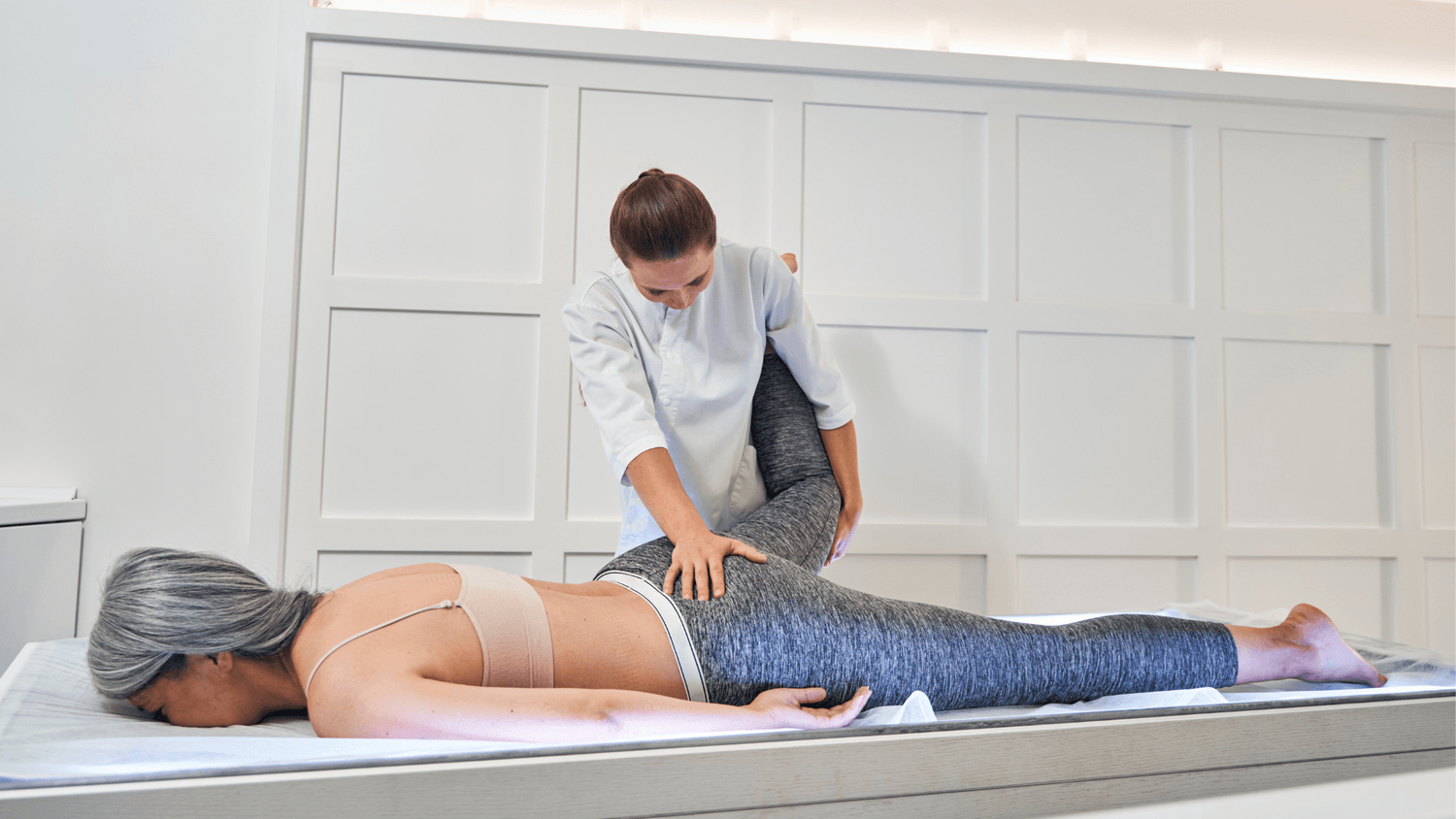
Another key component of osteopathic treatment for lower back pain is muscle energy techniques and stretching. These techniques involve using the patient's own muscles to help restore normal movement and reduce tension in the lower back. By using gentle, controlled contractions, osteopaths can help strengthen the muscles and improve flexibility, leading to a significant reduction in pain.
Stretching is also an important part of osteopathic treatment for lower back pain. By gently stretching the muscles and connective tissues, osteopaths can help improve flexibility and reduce tension, leading to a significant reduction in pain. These stretches can be tailored to the individual patient's needs and can be done in the comfort of their own home.
Exercise and Physical Activity
Exercise and physical activity are also crucial components of osteopathic treatment for lower back pain. Osteopaths believe that exercise and physical activity are essential for maintaining good health and preventing injury. By incorporating gentle exercises and stretches into their daily routine, patients can help strengthen their muscles, improve flexibility, and reduce tension in the lower back.
But what kind of exercises are best for lower back pain? The answer depends on the individual patient's needs and goals. Some exercises, such as pelvic tilts and knee to chest stretches, can help improve flexibility and reduce tension in the lower back. Others, such as core strengthening exercises, can help improve stability and reduce pressure on the spine.
By incorporating exercise and physical activity into their treatment plan, osteopaths can help patients take control of their lower back pain and improve their overall health and wellbeing. So, what does an osteopath do for lower back pain? The answer is clear: osteopaths take a holistic approach to treating the whole body, using a range of techniques, including soft tissue manipulation, joint mobilization, muscle energy techniques, stretching, and exercise, to help restore balance and function to the entire musculoskeletal system.
What to Expect from an Osteopathic Treatment Session
When considering osteopathic treatment for lower back pain, it's natural to wonder what the experience will be like. What does an osteopath do for lower back pain, and how will they approach your specific needs? In this section, we'll walk you through what to expect from an osteopathic treatment session, from the initial consultation to the treatment itself and beyond.
The Initial Consultation
The initial consultation with an osteopath is an opportunity for you to share your story and for the osteopath to gather information about your condition. This typically begins with a thorough medical history, where you'll be asked about your symptoms, medical history, and lifestyle.
During this conversation, the osteopath will also ask about your goals for treatment and what you hope to achieve. This is an important part of the process, as it helps the osteopath understand what you're looking for and how they can best support you.
Next, the osteopath will perform a physical examination, which may include observing your posture, movement, and palpation (feeling with their hands) of your muscles and joints. This helps the osteopath identify areas of tension or restriction that may be contributing to your lower back pain.
Finally, the osteopath will discuss treatment options with you, outlining the approaches they recommend and why. This is a collaborative process, and you'll have the opportunity to ask questions and share your concerns.


The Treatment Session
An osteopathic treatment session typically lasts between 30-60 minutes, depending on the complexity of your case and the techniques used. During the session, the osteopath will use a range of techniques to address the underlying causes of your lower back pain.
These techniques may include:
Soft tissue manipulation, such as massage or stretching, to release tension in your muscles and connective tissue
Joint mobilization, to improve the range of motion and reduce stiffness in your joints
Muscle energy techniques, which involve using your own muscles to help release tension and improve movement
Cranial osteopathy, which involves gentle manipulation of the bones and soft tissues of the head and neck
As the osteopath works, you may experience a range of sensations, from relaxation and calmness to temporary discomfort or pressure. This is normal, and the osteopath will work with you to ensure that you're comfortable and able to breathe easily throughout the session.
After the Treatment Session
After the treatment session, you may feel a sense of relaxation or calmness, as well as a reduction in pain and stiffness. Some people may also experience temporary side effects, such as soreness or fatigue, which typically resolve within a few days.
To support your recovery, the osteopath may recommend self-care activities, such as stretching, exercise, or stress management techniques. They may also schedule follow-up appointments to monitor your progress and adjust the treatment plan as needed.
Remember, osteopathic treatment is a collaborative process, and your active participation is essential to achieving the best results. By working together with your osteopath, you can unlock the full potential of osteopathic treatment and find lasting relief from lower back pain.
Conclusion
When it comes to lower back pain, many people wonder: what does an osteopath do for lower back pain? The answer lies in the osteopathic approach, which combines manual therapy techniques with exercise and stretching to promote healing and relaxation.
An osteopath plays a vital role in treating lower back pain by addressing the underlying causes of discomfort, rather than just masking the symptoms. Through gentle manipulations and soft tissue techniques, osteopaths help restore balance to the body, relieving tension and strain on the lower back.
By incorporating exercise and stretching into treatment plans, osteopaths empower patients to take an active role in their recovery. This holistic approach not only alleviates lower back pain but also improves overall well-being.
If you're struggling with lower back pain, consider seeking out an osteopath for treatment. With their expertise and guidance, you can find lasting relief and regain control over your body. So, what does an osteopath do for lower back pain? They offer a pathway to healing, relaxation, and a pain-free life.


Legal


You Can Fix Your Back...
You Just Need The Right Program
Reduce your sciatic pain in days, not weeks.
No more endless doctor visits—take control at home.
Empower yourself with a program backed by real results.
2024 Sciatica Self Treatment / Back Pain Self Treatment

Legal
2024 Sciatica Self Treatment / Back Pain Self Treatment