

Lower Sacrum Back Pain: Causes, Relief, and How to Improve Mobility
Lower sacrum back pain can disrupt daily life, making even simple tasks difficult. This area of discomfort often stems from issues with posture, muscle tension, or underlying conditions. Improving lower back pain mobility is essential for finding relief and regaining function. By focusing on targeted stretches and exercises to enhance mobility for lower back pain, you can promote healing and prevent future flare-ups. Stay informed and take steps to better manage this challenging condition.
What is Lower Sacrum Back Pain?
Lower sacrum back pain refers to discomfort located in the sacrum area, a triangular bone structure at the base of your spine. This type of pain can be particularly debilitating, impacting your ability to move freely and engage in daily activities. Addressing lower back pain mobility through targeted care and exercises can make a significant difference in achieving relief and improving quality of life.
Anatomy of the Sacrum
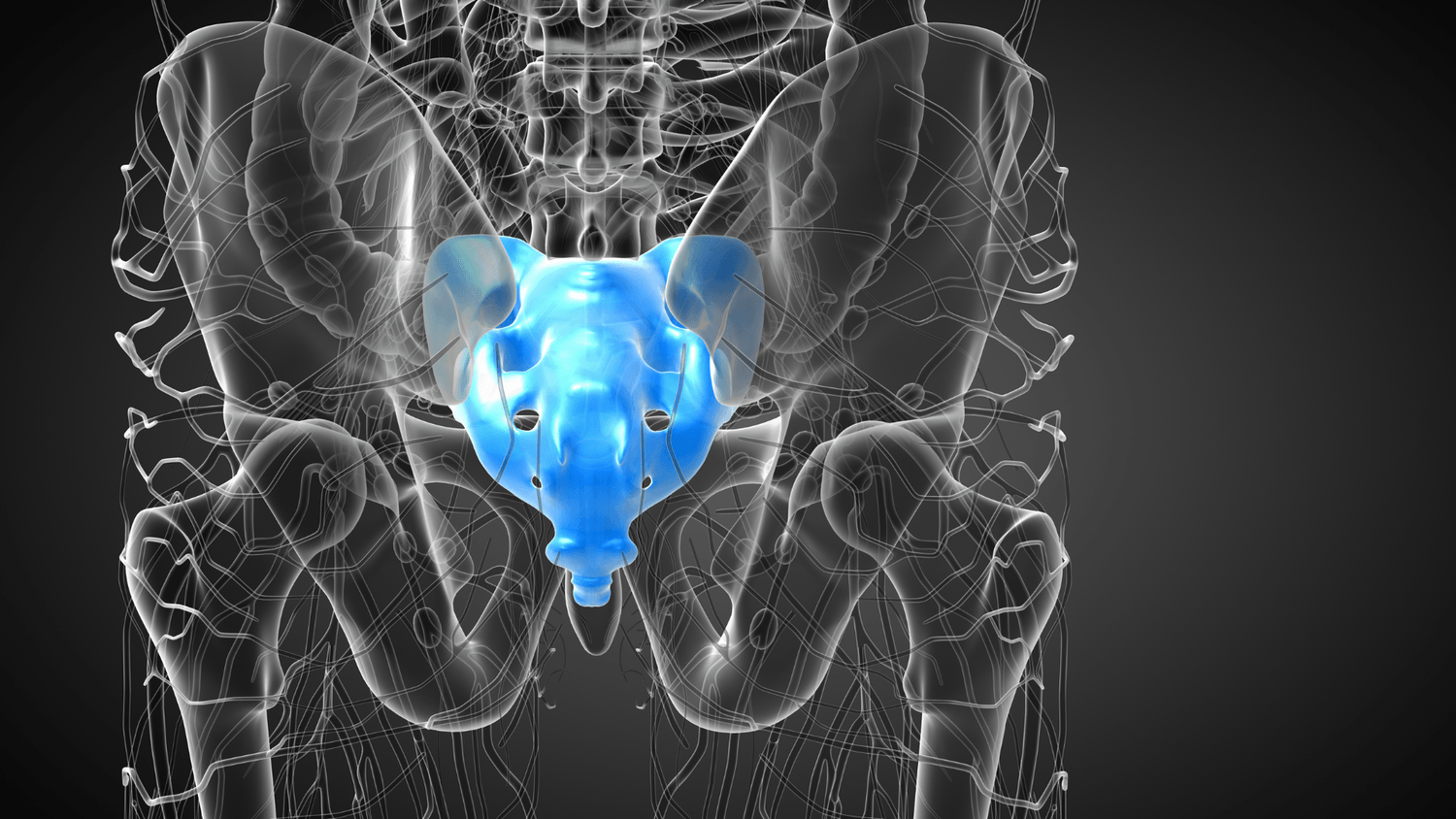
The sacrum is a critical component of your lower back’s structure. Shaped like a triangle, it connects your spine to the pelvis, playing a vital role in stabilizing your body. The sacrum is made up of five fused vertebrae, creating a solid foundation for weight-bearing activities.
This structure is intricately linked to surrounding muscles, ligaments, and nerves. Any injury, inflammation, or misalignment here often results in lower sacrum back pain. The sacrum also impacts the mobility of the lower back, as its positioning can either facilitate or hinder proper movement.
Common Symptoms
Wondering how to recognize lower sacrum back pain? Look out for these common symptoms:
Sharp or dull pain in the lower back region, often concentrated around the sacrum.
Stiffness or restricted mobility, making activities like bending or walking difficult.
Radiating pain to the legs or glutes, which may point to nerve involvement.
Tenderness or swelling in the sacrum area after prolonged sitting or standing.
Muscle spasms that can aggravate other areas, such as the hips and thighs.
These symptoms not only disrupt daily activities but also reduce mobility for lower back pain, emphasizing the need for a focused treatment approach.
Causes of Lower Sacrum Back Pain
Lower sacrum back pain often arises from a mix of factors, from lifestyle habits to medical conditions. Understanding the causes can help you address the discomfort and improve your lower back pain mobility effectively.
Injuries and Trauma
Physical injuries are a primary source of sacrum pain. Whether from a sports mishap, car accident, or a fall, trauma to the sacrum can lead to inflammation and discomfort. Fractures or bruising in this area often result in sharp, localized pain that worsens with movement. Injuries to surrounding ligaments or muscles can also add strain, further limiting mobility and intensifying the pain.
Recovery requires patience. Targeted therapies and exercises can help restore mobility for lower back pain, especially in cases of mild to moderate injuries. Consult a healthcare provider to create a treatment plan tailored to your needs.


Postural Issues
Did you know poor posture could be a silent contributor to lower sacrum back pain? Sitting for hours, slouching, or standing with uneven weight distribution places undue stress on the sacrum. Over time, this strain disrupts the alignment of the spinal base, leading to pain and stiffness.
Here are a few common posture-related habits that may exacerbate discomfort:
Prolonged sitting without proper lumbar support.
Leaning to one side while sitting or standing.
Poor ergonomics in your workspace setup.
Simple adjustments, like using an ergonomic chair or maintaining an upright posture, can significantly reduce pain and improve lower back pain mobility.
Medical Conditions
Certain medical conditions are well-known culprits behind sacrum pain. Arthritis, for instance, can affect the joints between the sacrum and pelvis, leading to persistent discomfort. Herniated discs in the lower spine can also cause nerve compression, often resulting in radiating pain to the sacrum area.
Other conditions linked to sacrum pain include:
Sacroiliitis: Inflammation of the sacroiliac joint, triggered by injury or autoimmune diseases.
Sciatica: Nerve pain originating in the lower back, sometimes felt near the sacrum.
Osteoporosis: Weak bones increasing the risk of fractures in the sacrum.
Early diagnosis and targeted treatment are essential for managing these conditions. For more insights on related back pain treatments, you can explore the sciatica self-treatment resources.
Understanding the underlying causes of your sacrum pain is the first step toward finding relief. Taking prompt action with proper care can significantly enhance your mobility for lower back pain and overall quality of life.
Diagnosis of Lower Sacrum Back Pain
Understanding the root cause of lower sacrum back pain is crucial for creating an effective treatment plan. Accurate diagnosis requires a combination of professional evaluation and diagnostic tools. Here’s what you can expect during the process.
Physical Examination
A physical examination is often the starting point in identifying the source of your discomfort. During the visit, your healthcare provider might:
Review your medical history: Insights about past injuries, conditions, or recurring pain patterns are gathered.
Assess your posture and alignment: Poor alignment can often point to sacrum-related pain.
Perform range of motion tests: You might be asked to bend, twist, or stretch to determine if specific motions worsen the pain.
Palpate the sacrum area: Gentle pressing helps identify tenderness, swelling, or abnormalities.
Conduct mobility tests: These help evaluate limitations in your lower back pain mobility.
These exams provide an essential foundation for understanding your condition. They give insight into whether further investigation is required.
Imaging Tests
Imaging tests play a key role in confirming a diagnosis when physical exams don’t provide enough clarity. These tests help visualize what’s happening internally. The most commonly used tools include:
X-rays: Ideal for checking bone structure and identifying fractures or misalignment in the sacrum area.
MRIs (Magnetic Resonance Imaging): These give a detailed look at soft tissues, helping detect issues like herniated discs or ligament damage.
CT Scans (Computed Tomography): Often recommended for complex fractures or when more detailed imaging of the sacrum is required.
Each imaging option serves its purpose, and your doctor will select the most appropriate one based on your symptoms. These diagnostic tools ensure precise identification of the causes behind mobility for lower back pain.
Accurate diagnosis through these methods is crucial in developing a plan that can restore your daily function and improve lower back pain mobility.
Treatment Options for Lower Sacrum Back Pain
When addressing lower sacrum back pain, it's vital to explore treatment options tailored to your symptoms and needs. These solutions aim to reduce discomfort, improve lower back pain mobility, and prevent future episodes. Below are some effective approaches to consider.
Physical Therapy: Improving Mobility for Lower Back Pain
Physical therapy is a proven method to enhance mobility for lower back pain while building strength and flexibility. A licensed therapist will guide you through targeted exercises to stabilize the sacrum and its surrounding muscles. These routines can help reduce tension and correct imbalances that may be causing pain.
Some benefits of physical therapy include:
Stretching exercises to improve flexibility in the hips and hamstrings.
Strength-building routines that support the core and lower back.
Postural training for better spinal alignment during daily activities.
Manual therapy techniques, such as massage or joint mobilization, to relieve stiffness.
Your therapist may also incorporate tools like resistance bands or foam rollers for additional support. These simple tools allow you to continue exercises at home, further improving your lower back pain mobility.

Medications: Relief Through Over-the-Counter and Prescription Options
Medications can play a significant role in managing lower sacrum back pain, especially during acute flare-ups. They help reduce inflammation, ease discomfort, and allow you to move more comfortably. Here's a breakdown of commonly used medications:
1. Over-the-Counter Pain Relievers:
Ibuprofen and naproxen: These nonsteroidal anti-inflammatory drugs (NSAIDs) reduce swelling and pain.
Acetaminophen: An option for addressing mild pain without reducing inflammation.
2. Topical Creams and Patches
Products containing menthol, capsaicin, or salicylates can provide localized relief without systemic side effects.
3. Prescription Medications:
Muscle relaxants: Helpful for reducing spasms often linked to lower sacrum back pain.
Corticosteroids: May be prescribed for short-term use to control severe inflammation.
Before starting any medication, consult a healthcare provider to ensure safety and proper usage.
Home Remedies: Simple Ways to Alleviate Pain
When dealing with mild to moderate lower sacrum back pain, home remedies offer practical and cost-effective solutions. Many remedies can be done with simple adjustments to your routine or using items you already have at home.
Here are some effective home remedies:
Hot and Cold Therapy:
Apply an ice pack for the first 48 hours to reduce swelling.
Afterward, switch to a heating pad to relax tight muscles.
Gentle Stretching:
Incorporate stretches targeting the sacrum and lower back. Yoga poses like Child's Pose or Cat- Cow can gently improve mobility for lower back pain.
Supportive Footwear:
Wearing shoes with good arch support reduces pressure on the sacrum.
Adjust Your Sleeping Position:
Sleeping on your side with a pillow between your knees keeps the spine aligned.
Daily Movement:
Don’t stay sedentary for long periods. Light walking and activity can stimulate blood flow and reduce stiffness.
By combining these remedies, you can create an at-home regimen that promotes healing and enhances lower back pain mobility over time.
These options are a starting point for managing sacrum-related discomfort. It's always recommended to consult with a professional for a tailored treatment plan to address your specific needs.
Mobility for Lower Back Pain
Improving mobility for lower back pain is a critical step in reducing discomfort and preventing future issues. When the sacrum or surrounding muscles become restricted, it affects your overall movement and posture. By incorporating targeted exercises and making small changes in your daily life, you can enhance your lower back function and promote long-term relief.
Exercises to Improve Mobility
Certain exercises can directly target areas that impact lower sacrum back pain. These movements aim to loosen tight muscles, strengthen support areas, and improve range of motion.
Here are some effective exercises to try:
1. Cat-Cow Stretch:
Start on all fours with your wrists under shoulders and knees under hips.
Inhale, arch your back, and lift your head (Cow Pose).
Exhale, round your spine, and tuck your chin to your chest (Cat Pose).
2. Child’s Pose:
Begin by kneeling on the floor and sitting back onto your heels.
Extend your arms forward on the ground and lower your torso.
3. Pelvic Tilts:
Lie flat on your back with your knees bent and feet on the floor.
Tighten your abdominal muscles and gently tilt your pelvis upward.
4. Hip Bridges:
Lie on your back, feet flat, and knees bent.
Lift your hips toward the ceiling, hold briefly, then lower them slowly.
5. Seated Spinal Twists:
Sit on the floor with one leg crossed over the other.
Gently twist your torso toward the opposite side, holding for a few breaths.

Consistency matters. Perform these exercises daily to improve mobility for lower back pain and restore functional movement.
Lifestyle Changes
Beyond exercises, your lifestyle greatly impacts lower back pain mobility. Small adjustments to your daily habits can make a noticeable difference over time.
Ergonomic Seating: If you spend long hours sitting, make sure your chair supports your lower back. Add a cushion if needed.
Frequent Movement: Avoid sitting or standing in one position for too long. Stretch or walk every 30 minutes.
Proper Lifting Techniques: When lifting objects, bend your knees and use your legs, not your back, to absorb the weight.
Healthy Weight Maintenance: Extra body weight, especially around the abdomen, can strain the lower spine. A balanced diet and regular exercise can help.
Stretching Routine: Incorporate brief stretching sessions into your morning or before bed to keep the back flexible.
When combined with the right exercises, these lifestyle changes create a strong foundation for managing lower sacrum back pain effectively.
Preventing Lower Sacrum Back Pain
Lower sacrum back pain is often preventable with proactive measures. By improving daily habits and routines, you can reduce the risk of discomfort in the sacrum area. Here are two key focuses that can help.
Ergonomic Considerations: Setting Up Your Workspace to Reduce Strain
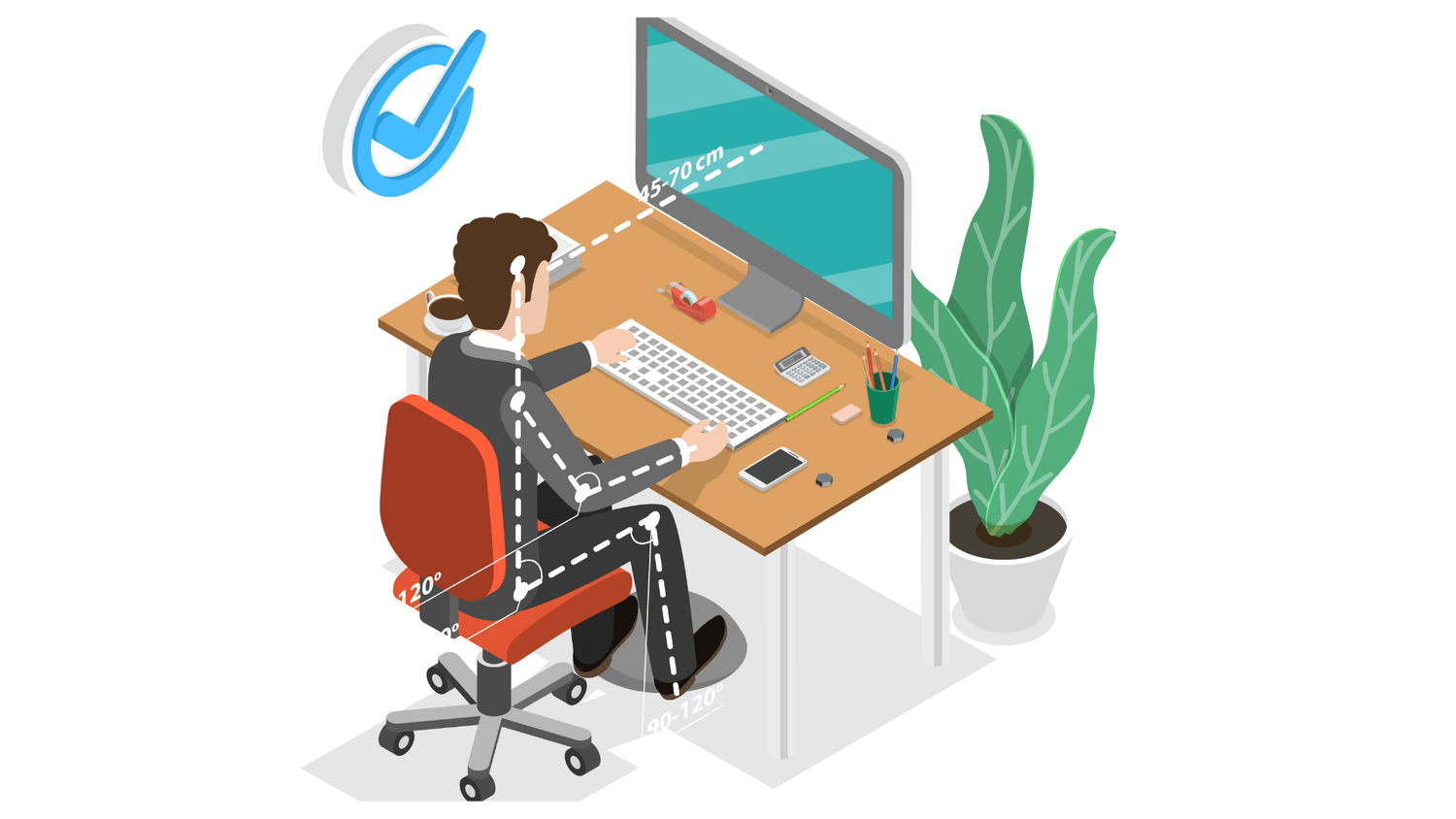
Your daily setup at work or home plays a huge role in preventing lower sacrum back pain. A poorly arranged workstation can lead to unnecessary stress on your spine and sacrum.
To minimize strain, consider the following ergonomic adjustments:
Desk Height: Ensure your desk is at elbow height. This helps keep your arms relaxed.
Chair Support: Use a chair with adjustable lumbar support to align your lower back properly.
Monitor Position: Keep your monitor at eye level to minimize neck and back strain.
Foot Positioning: Your feet should be flat on the ground, or use a footrest if necessary.
Frequent Breaks: Stand, walk, or stretch every 30 minutes to avoid prolonged pressure on your sacrum.
Small changes in your workspace can lead to big improvements in your back health. These adjustments provide immediate relief and long-term prevention against lower back pain mobility issues.
Regular Physical Activity: Strengthening Back Muscles
Staying active is one of the most effective ways to protect against lower sacrum back pain. Simple routines and exercises can go a long way in strengthening the muscles that support your spinal base.
Here’s how you can incorporate physical activity into your routine:
1. Daily Core Exercises: Strengthening your core stabilizes your pelvis and lower spine.
2. Low-Impact Cardio: Activities like walking, swimming, or cycling promote blood flow to the sacrum area.
3. Stretching: Focus on flexibility exercises like yoga to keep muscles relaxed and aligned.
4. Strength Training: Target the lower back, glutes, and hamstrings to provide extra support.
5. Consistency: Aim for 30 minutes of activity daily to maintain your lower back's health.
Physical activity doesn’t just build strength—it increases flexibility and improves mobility for lower back pain. By maintaining a consistent routine, you can minimize the chances of recurring discomfort while also enhancing your overall well-being. For more specific guidance, check out these tips for sciatica self-treatment.


Conclusion
Lower sacrum back pain can significantly affect your mobility and quality of life. Understanding its causes and symptoms empowers you to address this issue effectively. Incorporating targeted exercises, ergonomic adjustments, and professional care can enhance mobility for lower back pain and ease discomfort.
If symptoms persist or worsen, seek professional guidance. Proactive steps today can lead to lasting relief and better lower back pain mobility in the long run.


Legal


You Can Fix Your Back...
You Just Need The Right Program
Reduce your sciatic pain in days, not weeks.
No more endless doctor visits—take control at home.
Empower yourself with a program backed by real results.
2024 Sciatica Self Treatment / Back Pain Self Treatment

Legal
2024 Sciatica Self Treatment / Back Pain Self Treatment