

The Hidden Dangers of Sitting: Low Back Pain Treatment for a Healthier Life
Why does your back ache after a long day at the desk? You're not alone. Millions face this daily struggle, yet many overlook the true culprit: prolonged sitting. Research shows that an alarming number of people experience low back pain, with sitting as a major contributor. Imagine your spine as a stack of coins; when you sit for hours, it's like pressing down on them, causing them to shift and strain. But don't worry—understanding the root cause offers a path to effective low back pain treatment. Here, we'll explore why it's crucial to tackle this issue head-on and how you can start relieving your discomfort today.
The Science Behind Prolonged Sitting and Low Back Pain
Sitting for long periods can seem harmless, but it's a hidden danger that might be affecting your health. If you've ever noticed your back feeling stiff or sore after a day at a desk, you're not alone. Let's explore how prolonged sitting can contribute to low back pain and what lies beneath this common issue.
How Sitting Affects the Spine and Muscles
When you sit, your spine and muscles bear the brunt of an unnatural position. This position isn't just about comfort; it changes how your body supports itself. Imagine your spine as a stack of blocks. Sitting for too long tilts those blocks, putting pressure on certain muscles and nerves.
Here's a breakdown of what happens:
Poor Posture: Your back tends to slouch or lean when sitting, leading to poor posture. This happens almost like a domino effect, where one small change cascades into others.
Muscle Imbalances: Prolonged sitting can weaken some muscles while others become overly tight. It's like a seesaw—imbalance causes strain.
Spinal Strain: The pressure from sitting compresses spinal disks, similar to pressing a stack of pancakes. This added pressure can lead to low back pain, and you may need specific low back pain treatment to fix it.
The consequences of these changes are not always immediate. Like a slow drip filling a bucket, the harm builds up gradually over time.
The Role of Inflammation and Oxidative Stress
Beyond mechanics, prolonged sitting stirs up trouble at a cellular level. Ever heard of inflammation and oxidative stress? These are your body's internal alarms signaling something isn't right.
Inflammation: This is your body's response to stress or injury. While it's a natural defense mechanism, chronic inflammation from prolonged sitting can worsen pain, similar to a never-ending fire alarm.
Oxidative Stress: This occurs when there’s an imbalance between free radicals and antioxidants. Prolonged sitting can increase oxidative stress, further contributing to inflammation and low back pain.
Understanding these processes helps you recognize why finding an effective low back pain treatment is essential. Healthy habits like regular stretching, standing breaks, and ergonomic setups can all help counteract these effects.
Sitting is like the new smoking, quietly threatening your health. But with knowledge, you can change how you sit and stand, ultimately helping improve your well-being.
Low Back Pain Treatment: Addressing the Root Cause
Low back pain is more than just an ache or inconvenience. It’s a signal from your body, much like a warning light on your car's dashboard, telling you that something needs attention. While pain relievers offer temporary relief, they often fail to address the root cause. So, what are the effective strategies to tackle this issue at its core? Let's explore some practical solutions.


Exercise and Stretching: Strengthening the Core and Improving Flexibility
Just like a sturdy foundation supports a building, a strong core supports your spine. Exercise and stretching play a critical role in low back pain treatment. They not only strengthen your muscles but also enhance flexibility. This isn't just about doing a few sit-ups. It's about engaging all parts of your core, from your lower back to your abdominal muscles. Here’s what you can focus on:

Core Strength: Activities like planks and bridges help to build strength in the muscles that support your spine.
Flexibility: Regular stretching of your lower back, hamstrings, and hips can relieve tension and improve mobility.
Balance and Stability: Exercises such as yoga or pilates enhance balance and can prevent future injuries.
Are you ready to make exercise a daily habit? The key is consistency. Like watering a plant a little each day, regular practice can yield great results over time.
Ergonomic Changes: Creating a Back-Friendly Workspace
Are you aware of how your workspace might be affecting your back? An ergonomically designed workspace is vital for maintaining a healthy back. It’s more than just having a nice chair; it’s about creating an environment where your body can thrive without strain.
Chair: Invest in a chair with good lumbar support that allows your feet to rest flat on the floor.
Desk Height: Ensure your desk is at elbow height when seated. Your computer screen should be eye level to prevent neck strain.
Frequent Breaks: Take short breaks to stand, stretch, or walk around every hour. It’s a small change that can make a big difference.
Making these adjustments can transform your daily routine, making it more comfortable and lessens the burden on your back. Can you imagine feeling more energetic simply by rearranging your workspace? It’s possible and can be surprisingly effective as part of a comprehensive low back pain treatment.
By focusing on these areas, you can tackle low back pain at its source, ensuring not just temporary relief but a path toward long-term health and comfort.
Breaking the Sitting Habit: Strategies for a Healthier Lifestyle
We often find ourselves glued to our chairs for hours on end, whether we're working, watching TV, or scrolling on our phones. While it might seem harmless, prolonged sitting is like a silent thief, slowly chipping away at our health and contributing to low back pain. But there's good news; by incorporating simple strategies into our daily routines, we can break this habit and pave the way for a healthier lifestyle.
Incorporating Movement into Daily Activities
One of the most effective ways to combat the dangers of sitting is by weaving movement into our daily tasks. Think about it as sprinkling bits of physical activity throughout your day. Here's how you can do it:
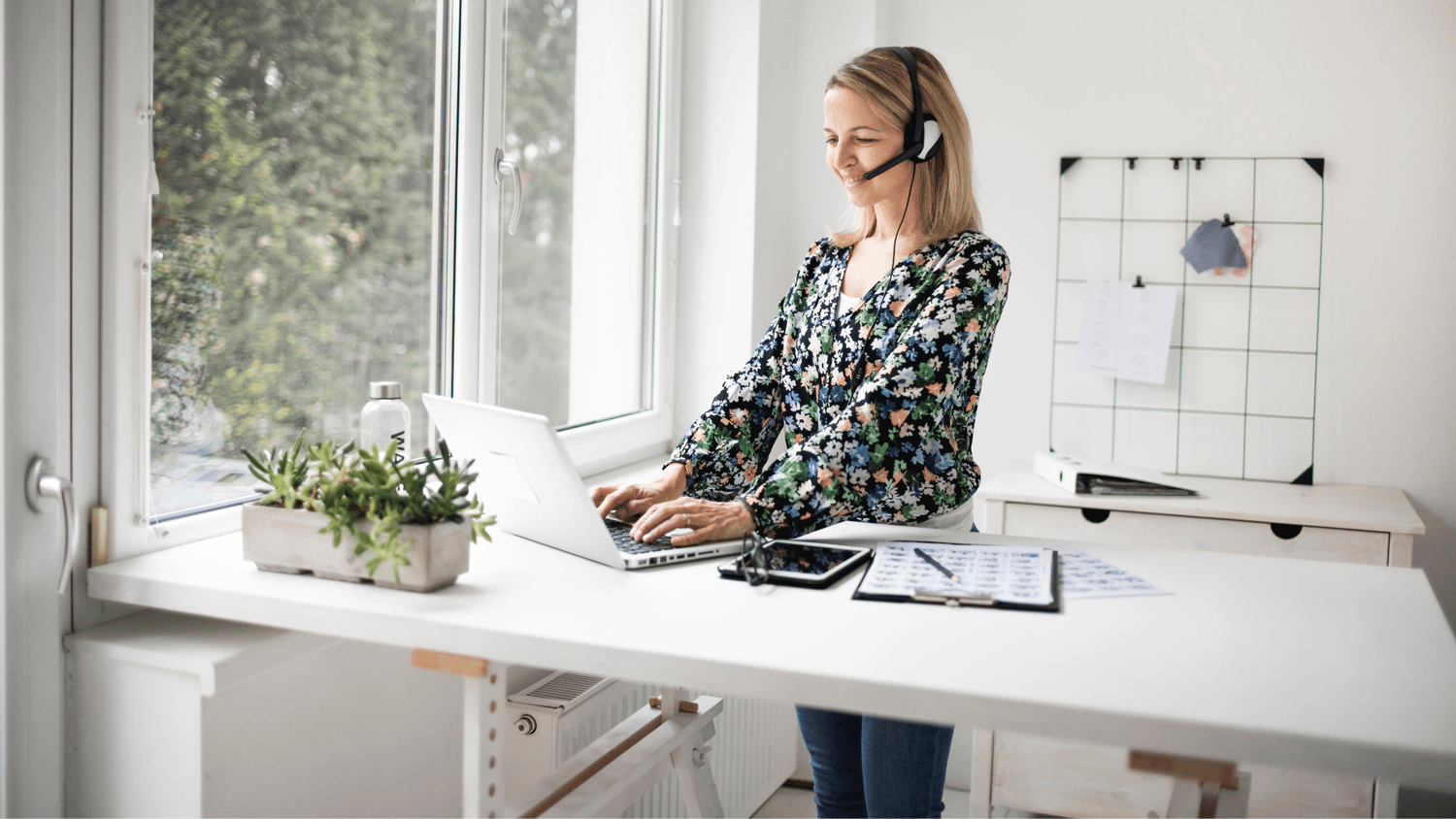
Stand While You Work: Consider using a standing desk or a high table for parts of your day. This can help reduce the strain on your back.
Walk During Calls: Got a phone call? Use this time to walk around. It’s a great way to stay active without needing extra time.
Stretch It Out: Incorporate simple stretches every hour. A few shoulder rolls, neck turns, and back stretches can make a huge difference.
Opt for the Stairs: Whenever possible, take the stairs instead of the elevator. It's an easy way to boost your heart rate and strengthen your muscles.
By integrating these small changes, you're not just battling low back pain but actively participating in an essential low back pain treatment.
Setting Reminders and Scheduling Breaks
In a bustling day, it's easy to forget to move. But what if there was a gentle nudge that reminded you? Enter reminders and scheduled breaks.
Set Timers: Use your phone or computer to set a timer for every 30-60 minutes. When it goes off, it’s your cue to stand, stretch, or take a short walk.
Utilize Apps: There are apps specifically designed to remind you to take breaks. Explore these tools to help you stay on track.
Plan Active Breaks: Dedicate part of your break time to something active, like a quick tour around the office, a short walk outside, or even a minute-long dance session.
These reminders are not just about moving; they’re a critical part of a proactive low back pain treatment approach, keeping discomfort and stiffness at bay.
We can respect our bodies by taking action and making changes today, avoiding being chained to our chairs. Through the simple strategies of incorporating movement and scheduling breaks, we empower ourselves with tools to fight back pain and embrace vitality.
Taking Control of Your Low Back Pain
It's surprising how something as common as sitting can have such a significant impact on your health. Understanding that prolonged sitting contributes to low back pain is the first step. But what do you do with this information? You take control. This means making conscious changes in your routine and environment, using effective low back pain treatment strategies, and becoming proactive about your health.
Understand Your Pain
Understanding what causes your low back pain can empower you to make effective changes. Low back pain is often due to muscle tension and poor posture. When you sit for long periods, your muscles are in a constant state of contraction, which can lead to discomfort and pain over time. Think of your low back as a rubber band that’s been stretched out too long. It gets weaker and less supportive.
Identify Triggers: Keep a journal to note when your pain worsens. Is it after a long day at the office or following a few hours of watching TV?
Posture Awareness: Pay attention to how you sit. Are you slouching? Do you have adequate support for your lower back? Adjust as needed.
Implement Movement and Exercise
Movement is vital. Our bodies aren't designed for inactivity. Regular movement breaks the cycle of prolonged sitting, and can ease low back pain.
Stand Up Regularly: Set an alarm every 30-60 minutes as a reminder to stand or walk.
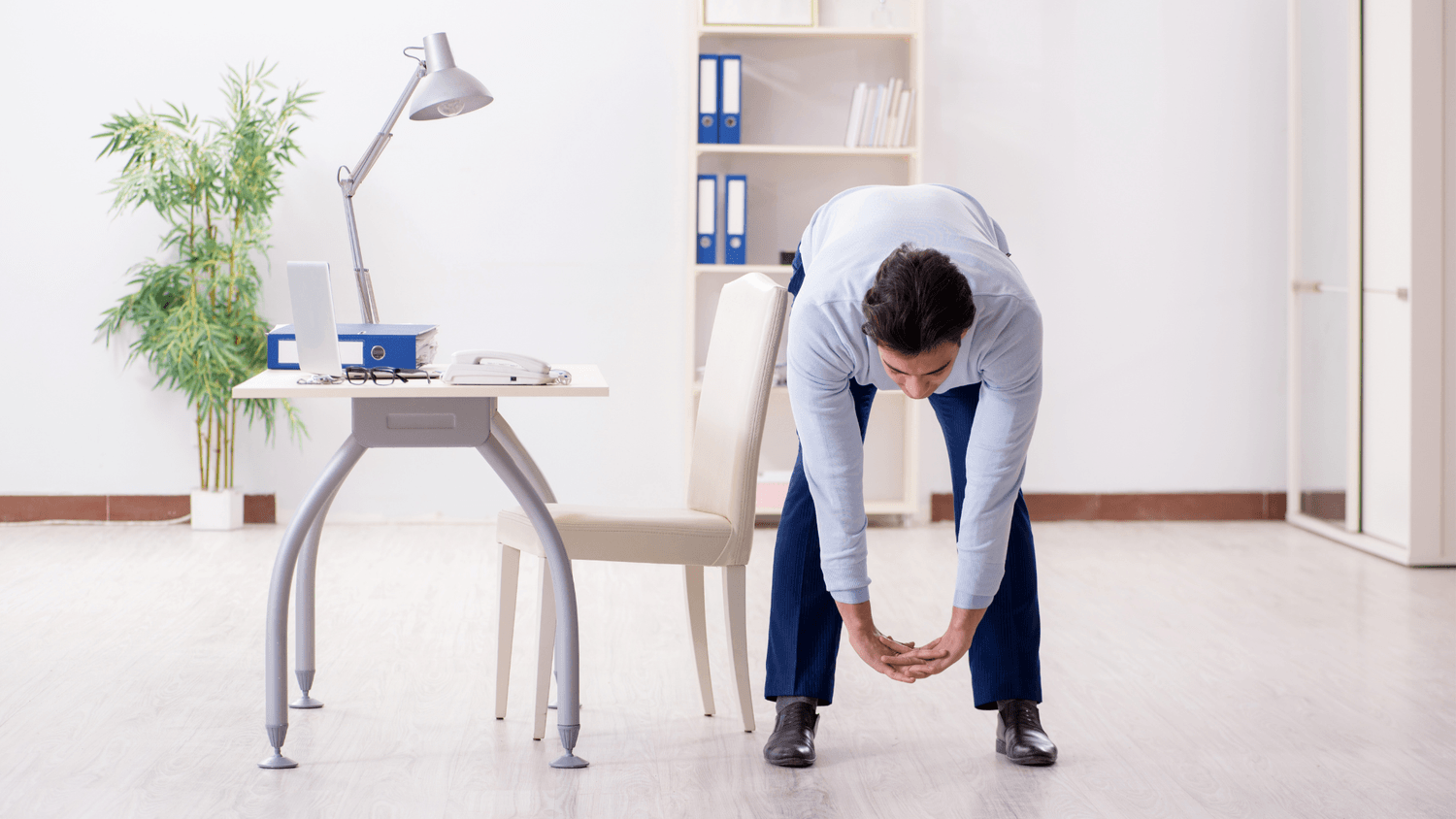
Stretch It Out: Simple stretches can relieve tension. Try standing up and reaching for the sky or bending gently to touch your toes.
Strengthen Your Core: Exercises like planks or gentle yoga enhance mobility and support your lower back.
Create a Supportive Environment
Changing your surroundings to support better posture can make a considerable difference.
Ergonomic Seating: Invest in a chair that supports the natural curve of your spine.
Desk Height: Adjust your desk so your computer screen is at eye level.
Footsupport: Use a footrest if your feet don't comfortably touch the floor.
Engage in Professional Interventions
Sometimes, despite our best efforts, professional help is needed.
Physical Therapy: A therapist can provide exercises tailored to your needs and guide you through them.
Chiropractic Care: Realignments can offer relief and aid in proper posture.
Massage Therapy: Helps reduce tension and improve muscle function.
Reflecting on these strategies, consider which steps you can incorporate into your daily routine. By understanding and actively managing your low back pain, you reclaim control over your comfort and functionality.


Conclusion
Prolonged sitting is not just an inconvenience; it is a significant factor in low back pain. Understanding this connection is crucial for effective low back pain treatment. By making small adjustments like regular stretching, improving posture, and using ergonomic furniture, you can safeguard your spine and overall health.
Take charge of your wellbeing by incorporating standing or walking breaks into your routine. Commit to a healthier lifestyle to reduce the risk of chronic discomfort. Remember, your body was designed to move. Keep it active and it will serve you better in the long run.
Curious about more ways to improve your health? Keep exploring and share your thoughts or experiences in the comments. Your journey to wellness begins with a single step.


Legal


You Can Fix Your Back...
You Just Need The Right Program
Reduce your sciatic pain in days, not weeks.
No more endless doctor visits—take control at home.
Empower yourself with a program backed by real results.
2024 Sciatica Self Treatment / Back Pain Self Treatment

Legal
2024 Sciatica Self Treatment / Back Pain Self Treatment