

Unlocking the Connection: How Tight Hip Flexors Can Cause Lower Back Pain and What You Can Do About It
Hip flexor tightness and lower back pain - a painful pair that can leave you feeling stuck and helpless. If you're one of the millions who suffer from this debilitating duo, you're likely no stranger to sleepless nights, missed workouts, and endless Google searches for relief.
The connection between hip flexor pain and lower back pain is more than just a coincidence. In fact, research shows that tight hip flexors can be a major contributor to lower back pain, and vice versa. But what's behind this painful relationship, and more importantly, what can you do to break free from it?
In this post, we'll explore the intricate link between hip flexor pain and lower back pain, and provide actionable tips to help you alleviate both. Whether you're a fitness enthusiast, a busy professional, or simply someone tired of living with pain, you'll learn how to identify the root causes of your discomfort and take the first steps towards a pain-free life.
Understanding Hip Flexor Anatomy and Function
To truly grasp the connection between hip flexors and lower back pain, it's essential to start with a solid understanding of the anatomy and function of these muscles. Your hip flexors are a group of muscles that play a crucial role in your daily movements, from walking and running to climbing stairs and even just standing up from a seated position.
What are Hip Flexors and How Do They Work?
So, what exactly are hip flexors? The term "hip flexor" refers to a group of muscles that work together to flex, or bend, your hip joint. The primary hip flexor muscles are the iliopsoas, tensor fasciae latae, and rectus femoris. These muscles originate in your lower back and pelvis and attach to your femur (thigh bone). When they contract, they pull your knee towards your chest, flexing your hip joint.
Think of your hip flexors like the strings on a puppet. When the strings are pulled, the puppet's leg lifts up. Similarly, when your hip flexors contract, they pull your leg up towards your chest. This action is essential for movements like walking, running, and climbing stairs.
The Role of Hip Flexors in Movement and Posture
But hip flexors do more than just lift your leg. They also play a crucial role in maintaining good posture and stability. When your hip flexors are strong and functioning properly, they help keep your pelvis and lower back in alignment, which reduces the strain on your spine.
Here are just a few ways your hip flexors contribute to movement and posture:
They help stabilize your pelvis and lower back during movements like walking and running
They assist in maintaining good posture by keeping your pelvis and spine in alignment
They enable you to lift your knees and climb stairs with ease
They help you stand up from a seated position and maintain balance
As you can see, your hip flexors are essential for everyday movements and maintaining good posture. But what happens when they become tight or weak? We'll explore that in the next section.


The Relationship Between Hip Flexor Tightness and Lower Back Pain
If you're experiencing lower back pain, you might be surprised to learn that the culprit could be your hip flexors. Yes, you read that right – your hip flexors. Those muscles in the front of your hip, responsible for lifting your knee and flexing your hip, can have a profound impact on your lower back. But how exactly do tight hip flexors lead to lower back strain? And what role does hip flexor imbalance play in spinal alignment?
How Tight Hip Flexors Can Lead to Lower Back Strain
Let's start with the basics. When your hip flexors are tight, they can pull your pelvis forward, creating an unnatural tilt. This tilt can put strain on your lower back muscles, particularly the erector spinae, which run along your spine. Imagine a rubber band being stretched to its limit – that's what's happening to your lower back muscles when your hip flexors are tight.
But that's not all. Tight hip flexors can also affect the way you move. When you walk or run, your hip flexors help to lift your knee and propel you forward. But if they're tight, they can't function properly, leading to poor movement patterns and putting additional strain on your lower back.
Here are just a few ways tight hip flexors can lead to lower back strain:
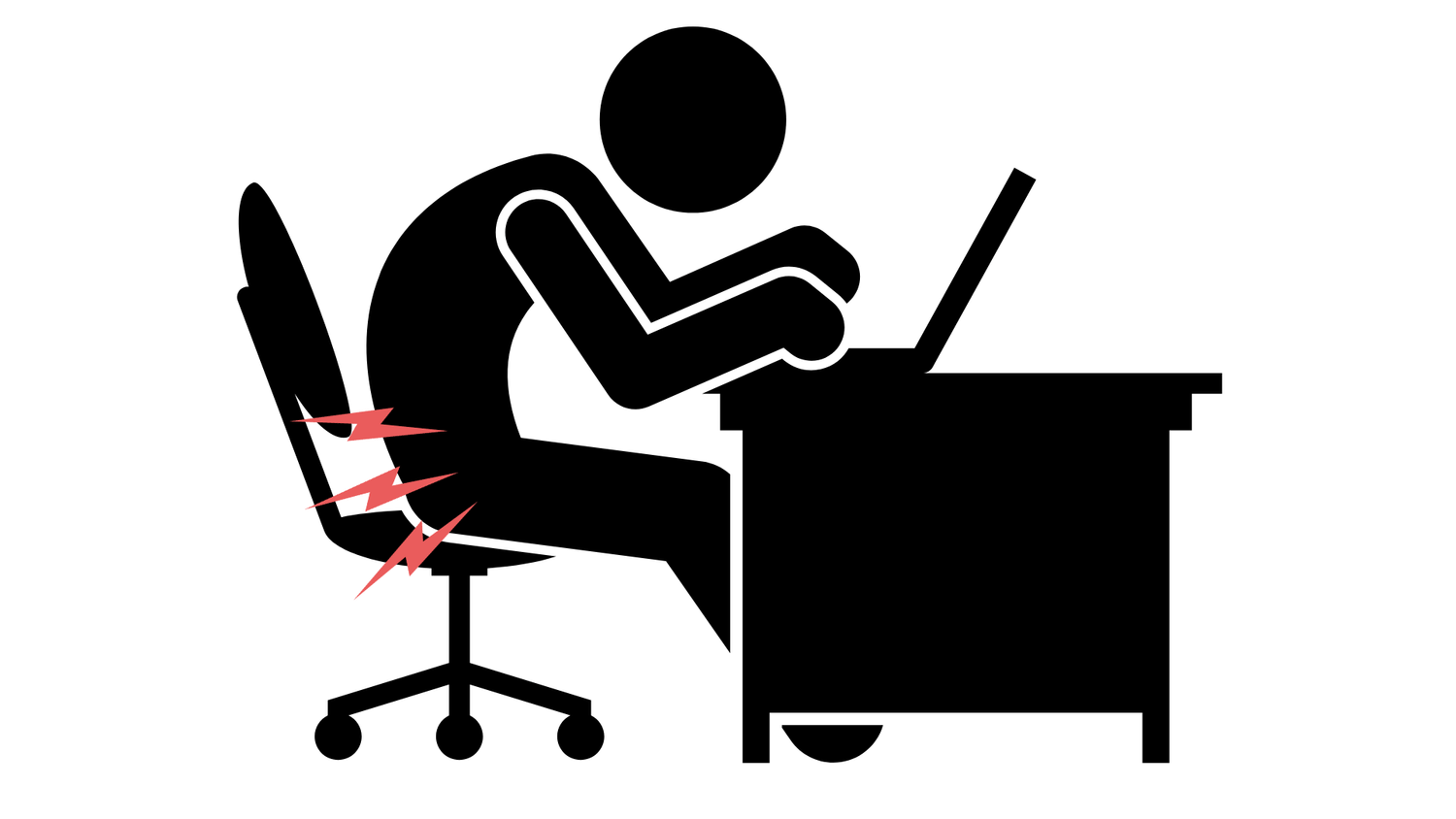
Poor posture: Tight hip flexors can pull your pelvis forward, leading to a swaybacked posture that puts strain on your lower back.
Altered movement patterns: Tight hip flexors can affect the way you move, leading to poor biomechanics and putting additional strain on your lower back.
Muscle imbalances: Tight hip flexors can lead to muscle imbalances in your lower back, where some muscles become overactive and others become underactive.
The Impact of Hip Flexor Imbalance on Spinal Alignment
Now, let's talk about hip flexor imbalance and its impact on spinal alignment. When your hip flexors are tight, they can pull your pelvis forward, creating a lordosis (inward curve) in your lower back. This can lead to a range of problems, including:
Spondylolisthesis: A condition where one vertebra slips forward over another, which can put pressure on your spinal cord and nerves.
Herniated discs: The increased pressure on your spine can cause your discs to bulge or herniate, leading to pain and discomfort.
Spinal stenosis: The narrowing of your spinal canal, which can put pressure on your spinal cord and nerves.
But that's not all. Hip flexor imbalance can also affect your overall posture and movement patterns, leading to a range of problems that can affect your entire body. By addressing hip flexor tightness and imbalance, you can help to alleviate lower back pain and improve your overall spinal alignment.
Common Causes of Hip Flexor Tightness and Lower Back Pain
As we explore the connection between hip flexor tightness and lower back pain, it's essential to understand the underlying causes of this discomfort. What daily habits or activities might be contributing to your hip flexor tightness and lower back pain? Let's take a closer look at three common culprits.
Sedentary Lifestyle and Prolonged Sitting
Do you spend most of your day sitting at a desk or in front of a screen? If so, you're not alone. Prolonged sitting can lead to hip flexor tightness, as your muscles are not being used to their full range of motion. When you sit for extended periods, your hip flexors contract and shorten, causing them to become tight and inflexible. This tightness can then radiate to your lower back, leading to pain and discomfort.
Think about it: when you're sitting, your hip flexors are in a constant state of contraction. This contraction can lead to muscle imbalances, where some muscles become overactive and others become underactive. Over time, this can cause your hip flexors to become tight and your lower back to become weak, leading to pain and discomfort.
Poor Posture and Biomechanics
Poor posture and biomechanics can also contribute to hip flexor tightness and lower back pain. When you slouch or hunch over, you're putting unnecessary strain on your hip flexors and lower back. This strain can cause your muscles to become tight and inflamed, leading to pain and discomfort.
For example, if you have a tendency to lean forward when you walk or stand, you may be putting additional stress on your hip flexors. This can cause them to become tight and inflexible, leading to lower back pain. Similarly, if you have poor posture when sitting or standing, you may be putting unnecessary strain on your lower back, leading to pain and discomfort.
Overuse and Repetitive Strain Injuries
Finally, overuse and repetitive strain injuries can also contribute to hip flexor tightness and lower back pain. If you're an athlete or engage in activities that involve repetitive movements, such as running or cycling, you may be putting excessive strain on your hip flexors and lower back.
For example, if you're a runner, you may be prone to overuse injuries such as hip flexor strains or lower back pain. This is because running involves repetitive movements that can put excessive strain on your muscles and joints. Similarly, if you engage in activities that involve heavy lifting or bending, you may be putting unnecessary strain on your lower back, leading to pain and discomfort.
By understanding the common causes of hip flexor tightness and lower back pain, you can take steps to prevent and alleviate this discomfort. In the next section, we'll explore some effective ways to stretch and strengthen your hip flexors and lower back.
Symptoms and Diagnosis of Hip Flexor-Related Lower Back Pain
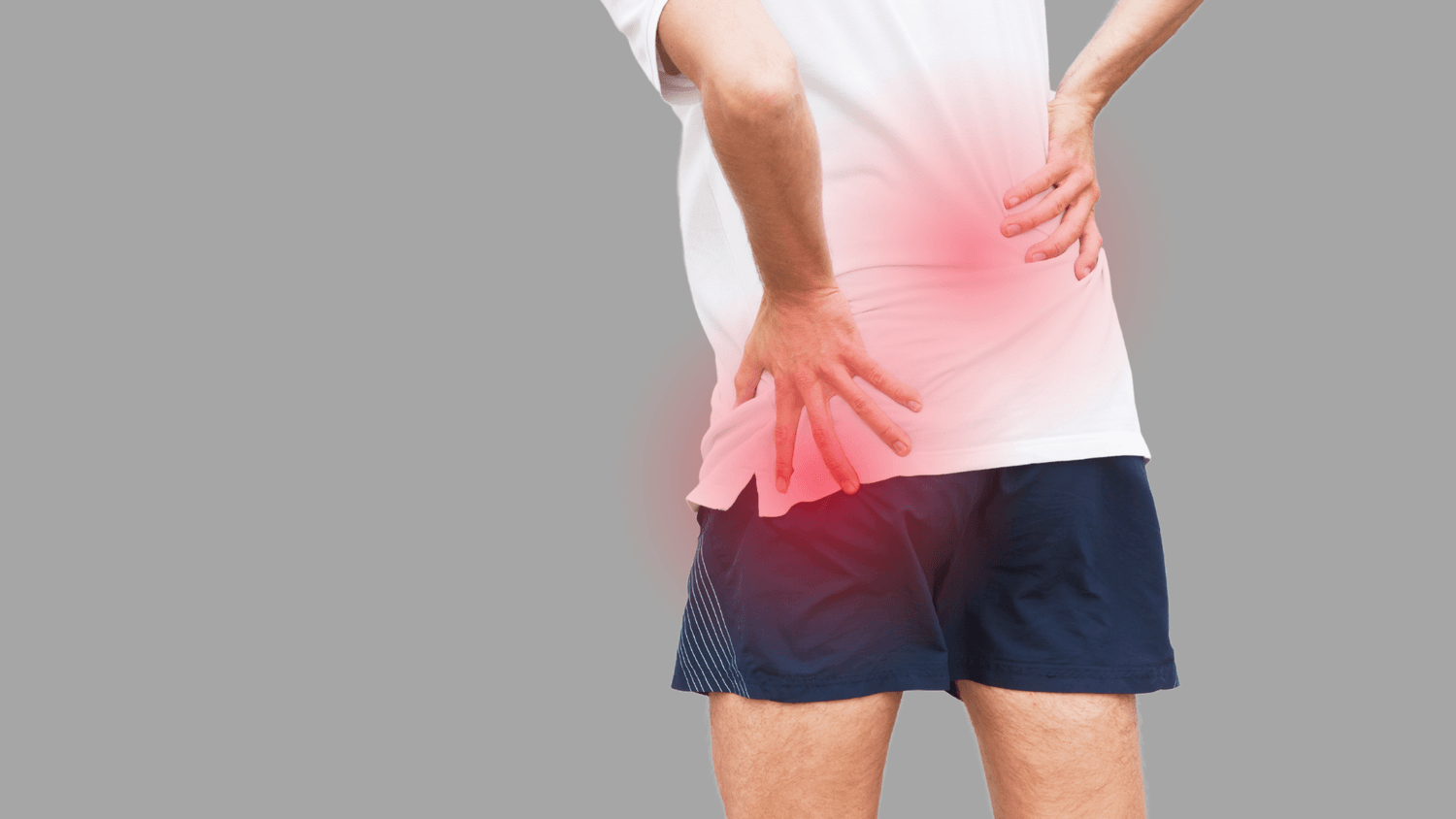
When your hip flexors are tight or inflamed, it can be a real pain in the back - literally. But how do you know if your lower back pain is related to your hip flexors? Let's take a closer look at the signs and symptoms, as well as the diagnostic tests and assessments used to determine if your hip flexors are the culprit.
Identifying the Signs and Symptoms of Hip Flexor Tightness
So, what does hip flexor tightness feel like? Here are some common signs and symptoms to look out for:
Pain or stiffness in the front of your hip or groin area
Pain or stiffness in your lower back, especially when standing or walking
Limited range of motion in your hip or knee
Muscle spasms or cramping in your hip or leg
Weakness or fatigue in your hip or leg muscles
You might also notice that your pain or stiffness worsens with certain activities, such as:
Running or cycling
Climbing stairs or hills
Lifting heavy objects or weights
Sitting for long periods of time
If you're experiencing any of these symptoms, it's possible that your hip flexors are tight or inflamed.
Diagnostic Tests and Assessments for Hip Flexor-Related Lower Back Pain
So, how do healthcare professionals diagnose hip flexor-related lower back pain? Here are some common diagnostic tests and assessments used:
Physical examination: A healthcare professional will perform a physical examination to assess your range of motion, muscle strength, and pain levels.
Palpation: A healthcare professional will use their hands to feel for tenderness or tension in your hip flexor muscles.
Range of motion tests: A healthcare professional will ask you to move your hip or knee through a range of motions to assess your flexibility and mobility.
Strength tests: A healthcare professional will ask you to perform certain exercises to assess your muscle strength.
Imaging tests: In some cases, imaging tests such as X-rays or MRIs may be ordered to rule out other conditions that may be causing your pain.
By using these diagnostic tests and assessments, healthcare professionals can determine if your hip flexors are tight or inflamed, and develop a treatment plan to help alleviate your pain and improve your mobility.
Treatment and Prevention Strategies for Hip Flexor-Related Lower Back Pain
When it comes to alleviating hip flexor-related lower back pain, a multi-faceted approach is essential. We need to address the root causes of the pain, rather than just masking the symptoms. This means incorporating a combination of stretching, strengthening, and postural corrections into our daily routine.
Stretching and Foam Rolling Exercises for Hip Flexor Release
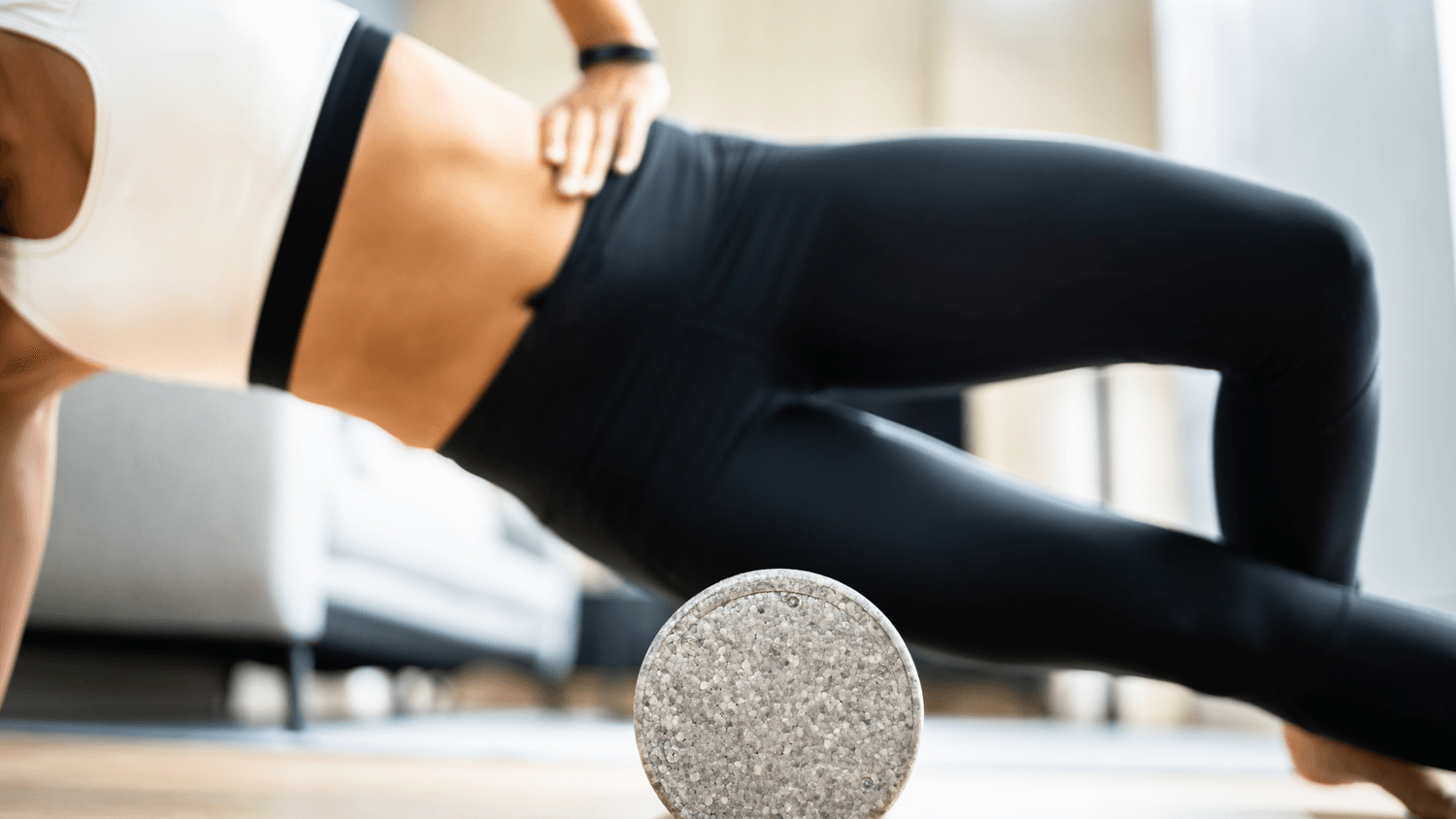
Tight hip flexors can be a major contributor to lower back pain. To release tension in this area, try incorporating the following stretches into your daily routine:
Kneeling hip flexor stretch: Start on your hands and knees, then bring one knee forward and place your foot flat on the ground in front of the other knee. Lean forward, stretching the front of your hip. Hold for 30 seconds and repeat on the other side.
Lying hip flexor stretch: Lie on your back with your legs straight, then lift one leg towards the ceiling. Hold for a few seconds, then slowly lower it back down. Repeat on the other side.
Foam rolling: Use a foam roller to roll out your hip flexors, focusing on the area just above the knee. This can help release tension and reduce pain.
Remember to breathe deeply and slowly while stretching to help your muscles relax and lengthen.
Strengthening Exercises for Hip Flexor and Core Muscles
Weak hip flexors and core muscles can contribute to poor posture and put additional strain on the lower back. To strengthen these areas, try the following exercises:
Squats: Stand with your feet shoulder-width apart, then bend your knees and lower your body down until your thighs are parallel to the ground. Push back up to standing, squeezing your glutes and core muscles as you do.
Lunges: Stand with your feet together, take a large step forward with one foot, and lower your body down until your back knee is almost touching the ground. Push back up to standing, squeezing your glutes and core muscles as you do. Repeat on the other side.
Planks: Start in a push-up position, with your hands shoulder-width apart and your body in a straight line from head to heels. Hold for 30-60 seconds, engaging your core muscles and keeping your hips stable.
Remember to start slowly and gradually increase the intensity and duration of your workouts as you build strength and endurance.


Ergonomic and Postural Corrections for Prevention
Finally, making a few simple changes to your daily routine can go a long way in preventing hip flexor-related lower back pain. Try the following:
Take regular breaks to stand up and stretch if you have a desk job
Make sure your workspace is set up to promote good posture, with your monitor at eye level and your chair at the correct height
Avoid crossing your legs or ankles, which can put additional strain on the hip flexors
Wear comfortable, supportive shoes that promote good posture and reduce strain on the lower back
By incorporating these strategies into your daily routine, you can help alleviate hip flexor-related lower back pain and prevent future episodes. Remember to be patient and consistent, as it may take some time to see results.
Conclusion
Lower back pain and hip flexor strain are intimately connected, and addressing one issue often requires attention to the other. By understanding the intricate relationship between these two areas, individuals can take proactive steps to alleviate discomfort and prevent future injuries.
The key takeaways from this exploration of hip flexor and lower back pain are clear: targeted exercises, improved posture, and mindful movement can make a significant difference in reducing pain and promoting overall well-being. It's time to shift the focus from temporary fixes to long-term solutions that prioritize hip and lower back health.
As you move forward, consider this: what small changes can you make today to support your hip flexors and lower back? Will you incorporate strengthening exercises into your daily routine, or perhaps reassess your workspace to ensure optimal posture? Whatever your next step, remember that taking control of your hip and lower back health is a powerful investment in your overall quality of life.


Legal


You Can Fix Your Back...
You Just Need The Right Program
Reduce your sciatic pain in days, not weeks.
No more endless doctor visits—take control at home.
Empower yourself with a program backed by real results.
2024 Sciatica Self Treatment / Back Pain Self Treatment

Legal
2024 Sciatica Self Treatment / Back Pain Self Treatment