

Bulging Cervical Disc Treatment: Effective Relief for Neck Pain
If you're feeling neck pain, stiffness, or numbness in your arms, you might be dealing with a bulging cervical disc. This condition occurs when a disc in your neck starts to protrude, pressing on nearby nerves and causing discomfort. Recognizing the symptoms is crucial because they can severely impact your daily life. Seeking bulging cervical disc treatment can help restore your comfort and range of motion.
Addressing this issue often involves cervical physical therapy, which can be a key component to recovery. Physical therapy aims to ease pain and improve strength and flexibility. Treatment for a herniated cervical disc may also include other methods such as medication or, in severe cases, surgery. It's vital to know your options to find the best approach for relief and recovery. Remember, effective treatment can significantly enhance your quality of life, getting you back to what you love doing most.
Causes and Symptoms of Bulging Cervical Discs
Understanding the root causes and symptoms of a bulging cervical disc is essential on the journey toward effective treatment. Often overshadowed by the urgency of pain relief, knowing what leads to this condition and how it manifests can help you make informed decisions about the right bulging cervical disc treatment for you.
Common Causes
Bulging cervical discs are primarily rooted in factors related to age, injury, and lifestyle. As time ticks on, the spinal discs naturally degenerate, losing water content and elasticity, making them more prone to bulging. Much like a well-worn shoe losing its form, these discs can no longer cushion as effectively.
Injury is another significant contributor. It doesn't always take a major accident to trigger disc issues – even minor impacts or repetitive strain can accelerate wear and tear. When your body takes a hit, the shock can push a disc out of alignment, making cervical physical therapy a crucial aid in recovery.
Lifestyle choices also weigh heavily. Poor posture, whether from slumping over a desk or poorly adjusted sleeping positions, can strain your neck. A lack of physical activity can weaken muscles that support the neck, heightening the risk of a bulging disc.
Symptoms to Recognize
Detecting the right symptoms early can make all the difference. A bulging disc in your neck can manifest in various ways, and recognizing these symptoms can point you towards effective treatment for herniated cervical disc.
Neck pain: It's not just stiffness after a poor night's sleep. Persistent neck pain is often a hallmark of a bulging disc, warranting further attention.
Numbness: If you experience a tingling sensation or numbness radiating down to your shoulders, arms, or hands, it might be your body's way of alerting you to nerve involvement due to a disc pressing against your nerves.
Radiating pain: Shooting pain traveling down your arms or even into your fingers can feel like an uncomfortable jolt. This is often due to nerve irritation or compression and should prompt a serious conversation with your healthcare provider.
An ounce of prevention is worth a pound of cure. By spotting these symptoms early, you can pursue bulging cervical disc treatment methods that address your specific situation, restoring your comfort and function. Knowledge is power in your fight against discomfort.
Diagnosis of Bulging Cervical Discs
To tackle a bulging cervical disc effectively, reaching an accurate diagnosis is paramount. Knowing the right signs and undergoing precise tests enable healthcare providers to map out the best approach for bulging cervical disc treatment. Early identification can smooth the path to relief and recovery, ensuring interventions like cervical physical therapy are appropriately targeted.


Physical Examination Techniques
Doctors often start with a comprehensive physical examination to evaluate your symptoms. This typically involves:
1. Movement Tests: You'll be asked to move your neck and arms in various ways to pinpoint pain or limitations in motion. Can you turn your head side to side without discomfort, or does a simple nod feel more like a battle?
2. Neurological Evaluation: Doctors check reflexes, muscle strength, and sensation in your shoulders, arms, and hands. They might tap your knee or touch your arms with a dull object—it's these simple tests that can reveal so much about nerve function.
The physical exam sets the stage for understanding your discomfort, helping to decide if further tests are needed or if cervical physical therapy might already be in view.
Imaging Tests
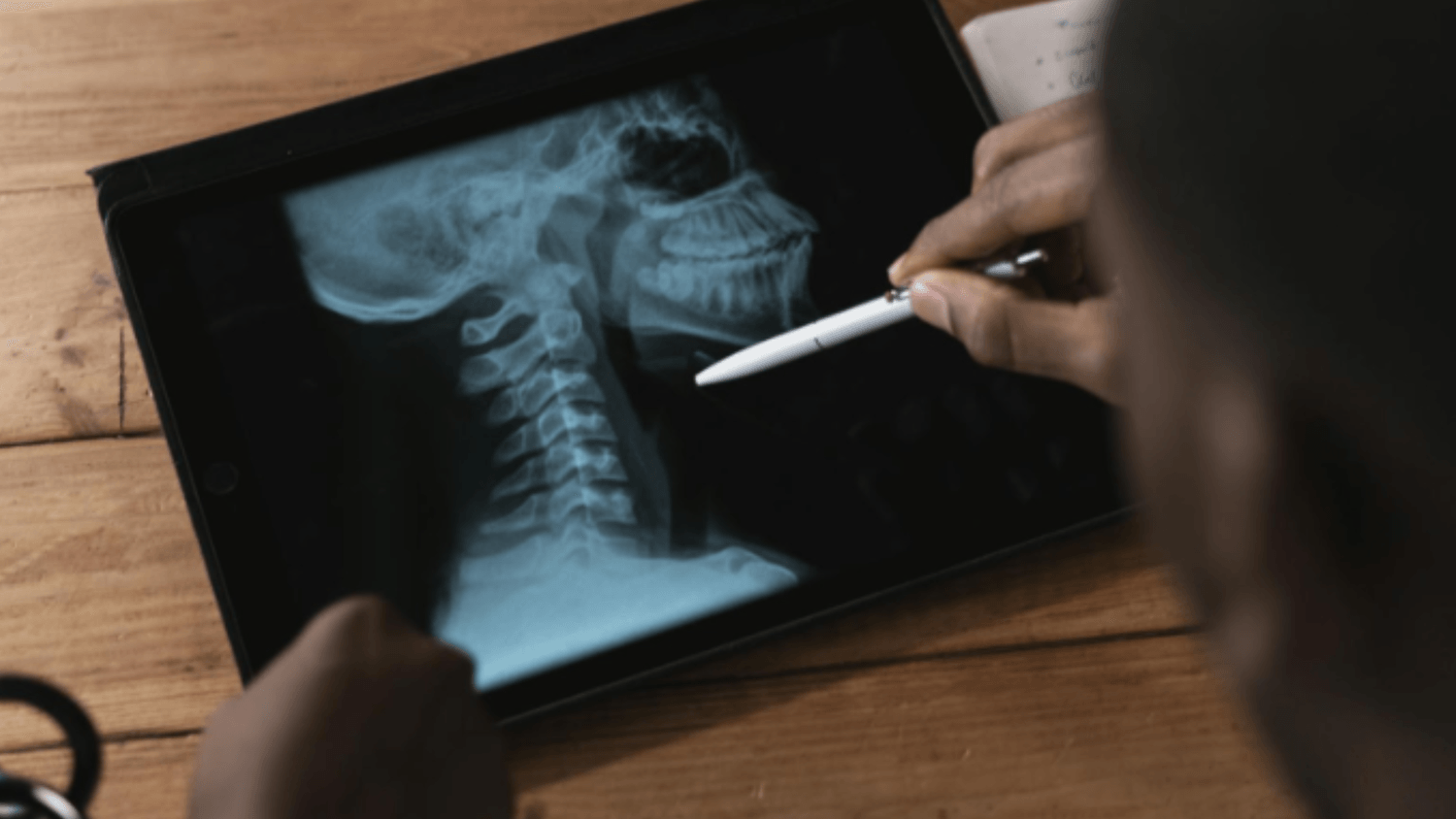
When symptoms persist or are severe, imaging tests can provide a deeper look—quite literally—into the structure of the spine.
MRI Scans: Magnetic Resonance Imaging offers a detailed image of soft tissues, like discs and nerves. An MRI allows for a three-dimensional view, helping professionals spot even subtle bulges. Think of it as a high-resolution photo of your spine’s interior landscape.
CT Scans: A CT scan is often used to highlight bone structures but can also show discs pressing on nerves. Comparable to a chopped onion, this method layers cross-sections of your spine for a clearer picture of what’s beneath the surface.
Imaging tests are crucial in forming a comprehensive diagnosis. They help confirm the presence of a bulging disc and set the foundation for treatment for herniated cervical disc. Each layer of investigation gets you closer to relief, ensuring that whatever approach is taken, it is based on a full understanding of your condition.
Non-Surgical Treatment Options
When dealing with a bulging cervical disc, many people want to steer clear of surgery if possible. Non-surgical treatments can offer effective relief, focusing on pain reduction and improving neck function. By understanding these options, you can approach your treatment plan confidently.
Cervical Physical Therapy
Physical therapy can be a game-changer for managing symptoms of a bulging cervical disc. It focuses on exercises to strengthen neck muscles, improving flexibility and range of motion. A skilled therapist will tailor a program to your needs, possibly including:
Stretching and Strengthening Exercises: These help reduce stress on the cervical spine and improve posture. Like fine-tuning an instrument, these exercises ensure your neck muscles work in harmony.
Manual Therapy: Techniques such as massage or mobilization can improve circulation and reduce stiffness. Imagine untangling a knotted string—that's what skilled hands do for your muscles.
Posture Training: Proper posture alleviates strain on the neck. With small adjustments, like aligning your shoulders or adjusting your work desk, you can significantly reduce neck pain.

Medications for Pain Relief
Medications play a crucial role in managing discomfort associated with bulging cervical discs. Various drugs help alleviate symptoms like pain, swelling, and muscle spasms:
NSAIDs (Non-Steroidal Anti-Inflammatory Drugs): Drugs like ibuprofen reduce inflammation and pain. Think of them as the body’s firefighters, quelling the flames of swelling.
Muscle Relaxants: These relieve muscle tension, which can aggravate neck pain. They work by relaxing tight muscles, similar to easing a clenched fist.
Corticosteroids: Often prescribed as short-term treatment, these injections reduce severe inflammation. They're like a targeted sprinkler system, soaking down the specific area in need.
Lifestyle Modifications
Sometimes, the way we live adds pressure to our necks. Simple lifestyle changes can prevent further injury and promote healing:
Ergonomic Adjustments: Tailor your workspace to your body. Ensure screens are eye-level and chairs support your back. Your workstation should be a comfort zone, not a pain zone.
Regular Exercise: Staying active keeps muscles toned and spine supported. A regular walk or yoga session is like oiling the gears of a machine—keeping everything running smoothly.
Mindful Posture: Be conscious of how you sit and stand. Simple shifts, like pulling your shoulders back or sitting straight, can relieve neck drag.
By focusing on these non-surgical treatments, you can manage your symptoms effectively, maintain neck mobility, and reduce pain without the need for invasive procedures.
Surgical Treatment Options
When dealing with a bulging cervical disc, the prospect of surgery can be daunting. However, it's important to know when surgery might be necessary and understand the types of procedures available. Let's walk through when surgical intervention is warranted and the common types of surgeries that might be recommended.
Indications for Surgery
Surgery is usually considered when non-surgical treatments, like cervical physical therapy and medication, haven't alleviated symptoms. Persistent pain and progressive neurological deficits often signal the need for surgical evaluation. Do you experience consistent pain or numbness that other therapies haven't managed to relieve? This might be an indication that surgery could be beneficial.
Severe Pain: If pain severely impacts your daily function, surgery might be necessary to improve quality of life.
Neurological Symptoms: Persistent numbness, weakness, or tingling in arms that doesn't improve can suggest nerve damage.
Loss of Bladder/Bowel Control: A very serious symptom that requires immediate surgical attention.
Types of Surgical Procedures
If surgery becomes inevitable, understanding the options can ease some anxiety. Here's a look at common surgical procedures for treating a bulging cervical disc.
Discectomy: This procedure involves removing the portion of the disc that's pressing on a nerve. It's like erasing the offending part to restore calm. The goal is to relieve pressure and improve nerve function.
Spinal Fusion: Often used in conjunction with discectomy, this procedure fuses two or more vertebrae together. It's similar to building a bridge over turbulent waters, creating stability where instability threatened function.
Artificial Disc Replacement: An alternative to fusion, this procedure replaces the damaged disc with an artificial one. It maintains more natural movement compared to a fusion, like replacing a broken gear with one that spins freely.
Each surgical treatment targets specific symptoms and conditions. Understanding these options can empower you in discussions with healthcare providers and help you make informed decisions about your bulging cervical disc treatment.
Post-Treatment Rehabilitation
Rehabilitation after managing a bulging cervical disc is a pivotal part of recovery. Just as a storm leaves behind debris, treatment can leave your body needing time and care to reclaim its full function. Let's explore the importance of follow-up care and some recommended exercises during rehabilitation.
Importance of Follow-Up Care
Regular follow-up care is crucial to ensuring a smooth recovery. After the initial "storm," these check-ups are like weather forecasts—they help chart your progress and signal any potential setbacks. Frequent monitoring allows healthcare providers to adjust your bulging cervical disc treatment program, ensuring it remains effective.
Early Detection of Issues: Routine visits can identify complications early, preventing them from snowballing into bigger problems.
Adjustments to Treatment: Recovery is dynamic. Regular check-ups enable fine-tuning of therapies and approaches based on how your body responds.
Motivation and Support: Ongoing care provides motivation. Knowing professionals are tracking your progress keeps you engaged and committed to your recovery path.
Rehabilitation Exercises
Exercises form the backbone of post-treatment rehabilitation. They're not just routines; they're your body's personal trainers, guiding it back to strength and flexibility. Here are some exercises commonly included in recovery programs:
Neck Stretches: Gently stretching the neck helps improve range of motion. Tilt your head to one side, hold, then switch to the other side like you're saying a slow, deliberate 'no.'
Shoulder Blade Squeeze: This exercise strengthens muscles that support your cervical spine. Pull your shoulder blades together, imagining you're trying to hold a pencil between them.
Neck Rotations: While sitting or standing, slowly turn your head from side to side. It's like scanning the horizon, ensuring full visibility in your range of motion.

Consistency is key with these exercises. Think of them as stepping stones in your journey—a gradual build-up to complete recovery, helping reinforce what cervical physical therapy initiated.
Incorporating these elements into your routine can vastly improve your recovery journey, helping you regain your comfort and confidence.
Living with a Bulging Cervical Disc
Living with a bulging cervical disc presents unique challenges that extend beyond physical discomfort. While focusing on effective bulging cervical disc treatment is essential, understanding comprehensive strategies for pain management and emotional support can make a significant difference in your daily life. Let's explore how to navigate these aspects successfully.
Pain Management Strategies
Managing chronic pain with a bulging cervical disc involves both physical interventions and lifestyle modifications. Here are some practical techniques to help manage pain more effectively:
Cervical Physical Therapy: Engaging in guided exercises specifically designed for the neck can significantly alleviate pain and improve function. Think of these exercises as small, precise movements that fine-tune the body's mechanics.
Heat and Cold Therapy: Applying heat can relax tense muscles, while cold packs reduce inflammation and numb sharp pain. They act like a thermostat, providing warmth and coolness when needed.
Stretching and Light Exercise: Regular stretching, combined with low-impact activities like swimming or walking, keeps your body agile. It's about finding balance—not straining yourself but gently coaxing your body back into rhythm.
Pain Relief Medications: Over-the-counter options like NSAIDs can help manage pain. Always consult with a healthcare provider to tailor medication use to your specific needs.


Emotional and Psychological Support
Chronic pain doesn't just hurt physically—it can weigh heavy on the mind. The emotional toll of living with a bulging cervical disc requires careful attention. Ensuring strong mental health support can be a lifeline.
Counseling and Therapy: Professional support from a therapist can offer coping strategies and emotional relief. Having someone to talk to is like having a compass guiding you through a foggy path.
Support Groups: Connecting with others who understand your experience can provide comfort and practical advice. It's a reminder that you're not navigating this terrain alone—there are fellow travelers.
Mindfulness and Relaxation Techniques: Practices like meditation, yoga, or deep-breathing exercises can help center your mind. Think of these techniques as anchors that keep you grounded in the present, reducing stress and anxiety.
Regular Social Activities: Keeping engaged with community and family events enhances well-being. Socializing isn't just a distraction—it boosts mood and maintains your vital social connections.
Addressing both the physical and emotional aspects of chronic pain with a bulging cervical disc can enhance not only your treatment for herniated cervical disc but also your overall quality of life. Ensuring robust support systems, both medically and emotionally, can empower you to live more comfortably and resiliently.
Conclusion
Effective bulging cervical disc treatment is essential to regain comfort and mobility. Recognizing symptoms early and opting for timely intervention can significantly enhance the recovery process. With options like cervical physical therapy, medication, and occasionally surgery, relief is attainable. A proactive approach can prevent worsening of symptoms and promote lasting health.
Recovery isn’t just possible—it’s within reach with the right treatment for herniated cervical disc. Are you noticing persistent discomfort or worrying signs? Seek professional advice now. Don’t let untreated pain bar your path to an active life. Consider sharing your journey or questions in the comments below, and stay informed for future updates on managing spinal health.


Legal


You Can Fix Your Back...
You Just Need The Right Program
Reduce your sciatic pain in days, not weeks.
No more endless doctor visits—take control at home.
Empower yourself with a program backed by real results.
2024 Sciatica Self Treatment / Back Pain Self Treatment

Legal
2024 Sciatica Self Treatment / Back Pain Self Treatment