

Back Squat Lower Back Pain: Causes, Prevention, and Long-Term Solutions for a Stronger, Pain-Free Lift
Back squat lower back pain - it's a common complaint among weightlifters and athletes. You're not alone if you've experienced a dull ache or sharp stab in your lower back after a squat session. In fact, research suggests that up to 70% of powerlifters experience lower back pain at some point in their careers.
The back squat is a compound exercise that works multiple muscle groups, but it also puts significant stress on the lower back. When performed with poor form, the risk of injury increases. That's why proper form is crucial - it's not just about lifting heavy weights, but also about maintaining a healthy back.
If you're experiencing back squat lower back pain, it's not a reason to abandon the exercise altogether. Instead, it's a signal to reassess your form and make adjustments to reduce the strain on your lower back. In this article, we'll explore the common causes of back squat lower back pain, discuss the importance of proper form, and provide practical tips to help you squat safely and effectively.
Causes of Lower Back Pain in Back Squats
Back squat lower back pain is a common issue that can hinder your progress and make every squat feel like a struggle. To address this problem, it's essential to understand the underlying causes. Let's break down the main culprits behind lower back pain in back squats.
Poor Posture and Form
Poor posture and form are the most common causes of lower back pain in back squats. When you slouch or arch your back, you put unnecessary strain on your spine, which can lead to discomfort, pain, and even long-term damage. To avoid this, focus on maintaining a neutral spine and engaging your core throughout the entire movement. Imagine a straight line from the top of your head to your heels, and keep your chest up and shoulders relaxed.
Weak Core and Gluteal Muscles
Your core and gluteal muscles play a crucial role in stabilizing your body during back squats. Weakness in these areas can cause your lower back to compensate, leading to strain and pain. To strengthen your core and glutes, incorporate exercises like planks, side planks, and glute bridges into your workout routine. This will help improve your overall stability and reduce the risk of lower back pain.
Insufficient Warm-up and Stretching
A proper warm-up and stretching routine can make a significant difference in preventing lower back pain during back squats. Before starting your squat routine, take the time to warm up your muscles with some light cardio and dynamic stretching. Focus on stretching your hamstrings, hip flexors, and lower back muscles to improve flexibility and reduce tension. A well-structured warm-up and stretching routine can help you squat with confidence and reduce the risk of injury.

Understanding the Anatomy of the Lower Back
When it comes to back squat lower back pain, understanding the anatomy of the lower back is crucial. The lower back, also known as the lumbar spine, plays a vital role in supporting the body's weight and facilitating movement. In this section, we'll explore the role of the lumbar spine in back squats and the importance of maintaining a neutral spine.
The Role of the Lumbar Spine in Back Squats
The lumbar spine consists of five vertebrae (L1-L5) that connect the thoracic spine to the sacrum. During a back squat, the lumbar spine is subjected to significant stress and strain. As you lower yourself into a squat, your lumbar spine must flex and extend to accommodate the movement. This repeated flexion and extension can lead to wear and tear on the joints and muscles, resulting in back squat lower back pain.
The lumbar spine also plays a critical role in maintaining balance and stability during a back squat. As you lift the weight, your lumbar spine must work in conjunction with your core muscles to maintain proper posture and prevent excessive strain on the lower back.
The Importance of Maintaining a Neutral Spine
Maintaining a neutral spine is essential for preventing back squat lower back pain. A neutral spine refers to the natural curvature of the spine, where the lumbar spine is in a slight lordosis (inward curvature). When the spine is in a neutral position, the muscles and joints are able to function optimally, reducing the risk of injury and strain.
To maintain a neutral spine during a back squat, focus on engaging your core muscles and keeping your chest up. Avoid arching your back or rounding your shoulders, as this can put unnecessary strain on the lower back. By maintaining a neutral spine, you can reduce the risk of back squat lower back pain and ensure a safe and effective workout.


Preventing Lower Back Pain in Back Squats
Back squat lower back pain is a common issue many weightlifters face, but it doesn't have to be a persistent problem. By taking proactive steps to prevent lower back pain, you can enjoy the benefits of back squats while minimizing the risk of injury. In this section, we'll explore three key strategies for preventing lower back pain in back squats: proper form and technique, strengthening the core and gluteal muscles, and incorporating stretching and foam rolling.
Proper Form and Technique
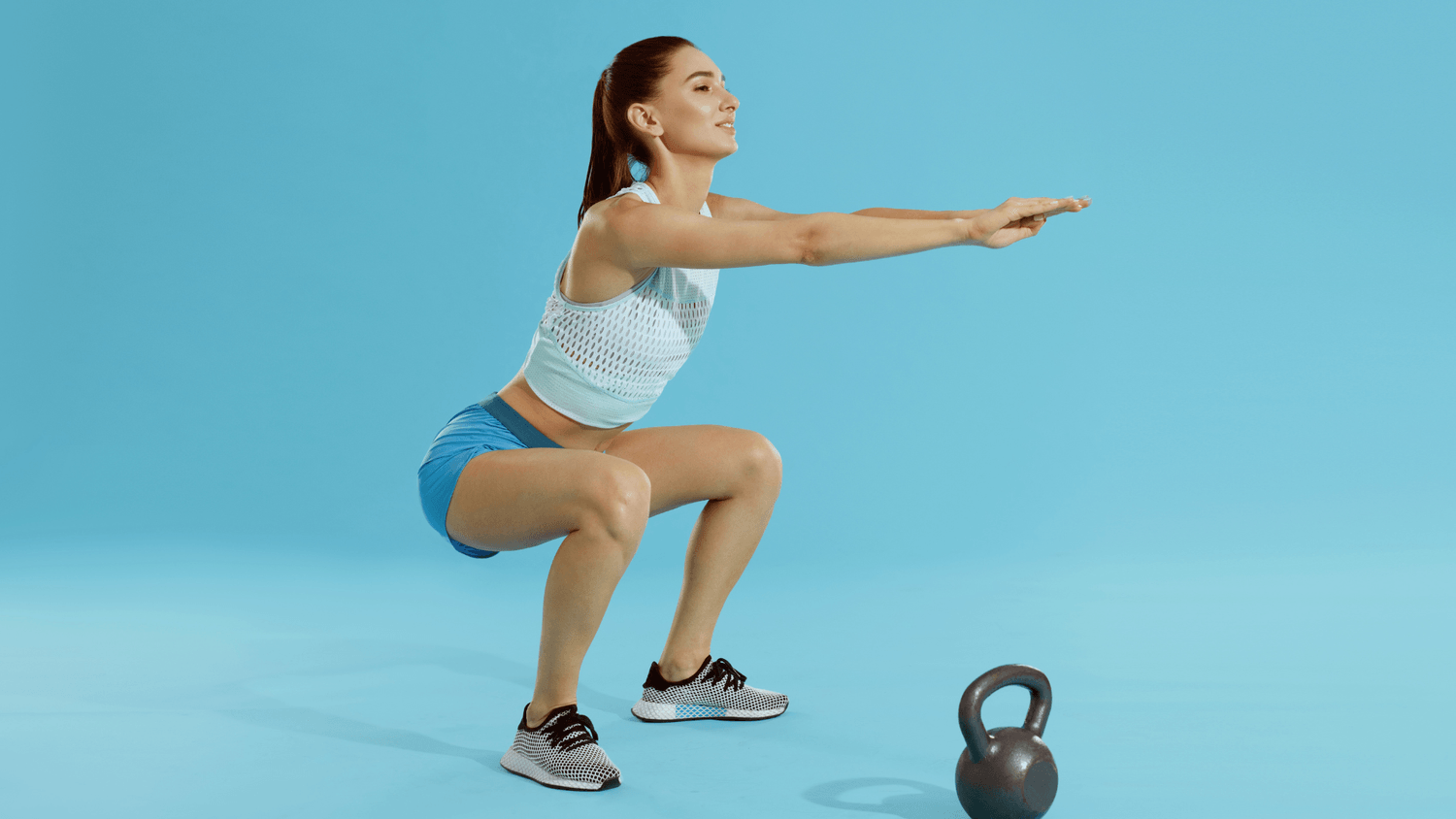
Proper form and technique are essential for preventing lower back pain in back squats. When performed correctly, the back squat is a safe and effective exercise for strengthening the legs, glutes, and core. However, poor form can put unnecessary stress on the lower back, leading to pain and injury.
To maintain proper form, focus on the following key elements:
Keep your back straight and your core engaged throughout the entire range of motion.
Lower yourself down to the bottom of the squat slowly and control the movement as you stand up.
Keep your weight in your heels and avoid letting your knees extend past your toes.
Use a full range of motion, lowering yourself down until your thighs are parallel to the ground.
By focusing on proper form and technique, you can reduce the risk of lower back pain and get the most out of your back squats.
Strengthening the Core and Gluteal Muscles
Strengthening the core and gluteal muscles is crucial for preventing lower back pain in back squats. Your core muscles, including your abs and lower back, play a critical role in stabilizing your body and maintaining proper form during the squat. Weak core muscles can lead to poor form and put unnecessary stress on your lower back.
Similarly, your gluteal muscles are responsible for extending your hips and maintaining proper form during the squat. Weak glutes can lead to poor form and put unnecessary stress on your lower back.
To strengthen your core and gluteal muscles, incorporate exercises like planks, deadlifts, and glute bridges into your workout routine. These exercises will help improve your overall strength and stability, reducing the risk of lower back pain in back squats.
Incorporating Stretching and Foam Rolling
Incorporating stretching and foam rolling into your workout routine can also help prevent lower back pain in back squats. Tight muscles in your lower back, glutes, and hamstrings can lead to poor form and put unnecessary stress on your lower back.
To combat this, make sure to stretch your lower back, glutes, and hamstrings after your workouts. Focus on static stretches that hold the muscle in a lengthened position for 20-30 seconds. You can also use foam rolling to release tension in your muscles and improve circulation.
By incorporating stretching and foam rolling into your workout routine, you can reduce muscle tension and improve your overall flexibility, reducing the risk of lower back pain in back squats.
Addressing Back Squat Lower Back Pain
Are you tired of feeling like your back squat is more of a strain on your lower back than a strength-building exercise? You're not alone. Back squat lower back pain is a common complaint among weightlifters, but it doesn't have to be a persistent problem. By modifying the back squat and incorporating rehabilitation exercises, you can reduce strain on your lower back and get back to lifting with confidence.
Modifying the Back Squat to Reduce Strain
To reduce strain on your lower back during the back squat, try these modifications:
Widen your stance: A wider stance can help reduce the depth of the squat and take pressure off your lower back.
Keep your back straight: Engage your core and keep your back straight throughout the entire range of motion.
Lower slowly: Take your time when lowering into the squat, and avoid bouncing or jerking movements.
Use a weight that feels comfortable: Don't try to lift more than you can handle. Start with a weight that feels comfortable and gradually increase the load as you build strength.
Incorporating Rehabilitation Exercises

In addition to modifying the back squat, incorporating rehabilitation exercises can help strengthen your lower back and reduce pain. Try these exercises:
Planks: Hold a plank position for 30-60 seconds to engage your core and improve your posture.
Bird dogs: Start on your hands and knees, then lift your right arm and left leg off the ground and hold for a few seconds. Repeat on the other side.
Superman: Lie on your stomach with your arms extended in front of you, then lift your arms and legs off the ground and hold for a few seconds.
Remember to always listen to your body and stop if you experience any pain or discomfort. With patience and practice, you can overcome back squat lower back pain and get back to lifting with confidence.
Long-term Solutions for Lower Back Pain in Back Squats
When it comes to back squat lower back pain, it's essential to think beyond temporary fixes and focus on long-term solutions. While it's tempting to rely on quick fixes or pain relievers, addressing the underlying causes of lower back pain is crucial for a healthy and sustainable squatting practice. In this section, we'll explore two key strategies for building a stronger, more resilient lower back and preventing injuries.
Developing a Stronger, More Resilient Lower Back
A strong lower back is the foundation of a healthy squat. To develop a more resilient lower back, focus on exercises that target the muscles of the posterior chain, including the latissimus dorsi, trapezius, and rhomboids. Incorporate exercises like rows, lat pulldowns, and deadlifts into your workout routine to build strength and stability in your lower back.
In addition to strengthening the muscles of the lower back, it's essential to improve flexibility and mobility. Incorporate stretching exercises like the cat-cow stretch, pelvic tilts, and hamstring stretches to increase range of motion and reduce tension in the lower back.


Incorporating Injury Prevention Strategies
Injury prevention is a critical aspect of any exercise routine, and back squats are no exception. To prevent lower back pain and injuries, focus on proper form and technique. Ensure that your back is straight, your core is engaged, and your knees are in line with your toes.
Here are some additional injury prevention strategies to incorporate into your back squat routine:
Warm up thoroughly before squatting, including dynamic stretches and mobility exercises
Use proper lifting techniques, including keeping the weight close to your body and lifting with your legs rather than your back
Avoid overloading or using weights that are too heavy
Focus on slow, controlled movements and avoid jerky or bouncy movements
Incorporate core strengthening exercises to improve stability and balance
By incorporating these strategies into your back squat routine, you can reduce your risk of lower back pain and injuries and build a stronger, more resilient lower back. Remember, preventing injuries is always better than treating them after they occur. Take the time to develop a strong foundation and prioritize injury prevention to ensure a healthy and sustainable squatting practice.
Conclusion
Back squat lower back pain is a common issue that can have serious consequences if left unaddressed. Ignoring the strain on your lower back can lead to chronic pain, injury, and even long-term damage. By prioritizing your lower back health, you can maintain proper form, reduce the risk of injury, and continue to make progress in your squat.
Don't let back squat lower back pain hold you back from achieving your fitness goals. Take control of your lower back health by incorporating exercises that strengthen your core and improve your posture. Make adjustments to your squat form to reduce the strain on your lower back, and don't be afraid to seek guidance from a qualified trainer or healthcare professional.
By taking proactive steps to address back squat lower back pain, you can ensure a strong, healthy back that will support you in all your fitness endeavors. So, what are you waiting for? Start prioritizing your lower back health today and take the first step towards a stronger, pain-free squat.


Legal


You Can Fix Your Back...
You Just Need The Right Program
Reduce your sciatic pain in days, not weeks.
No more endless doctor visits—take control at home.
Empower yourself with a program backed by real results.
2024 Sciatica Self Treatment / Back Pain Self Treatment

Legal
2024 Sciatica Self Treatment / Back Pain Self Treatment